𝗖𝗮𝗿𝗯𝗼𝗻 𝗖𝗿𝗲𝗱𝗶𝘁𝘀 𝗔𝗿𝗲 𝗕𝗲𝗰𝗼𝗺𝗶𝗻𝗴 𝗮 𝗦𝗶𝗴𝗻𝗮𝗹 – 𝗡𝗼𝘁 𝗮 𝗦𝗵𝗼𝗿𝘁𝗰𝘂𝘁
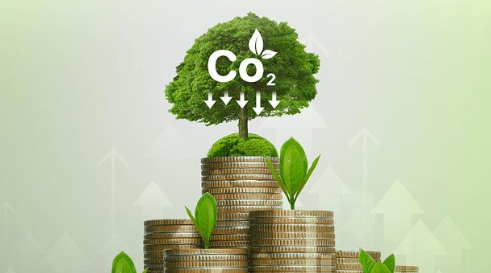
There’s a quiet shift happening in how carbon is being treated. It’s no longer just an environmental metric or a reporting line item, it’s increasingly being understood as a financial signal that shapes risk, cost, and competitiveness. 🗣️ 👣
What becomes clear when you look at how carbon credits are evolving is that they were never meant to replace decarbonisation. Their real role is to help manage the transition, especially where emissions are hard to eliminate in the near term, provided integrity comes first.
𝗔 𝗳𝗲𝘄 𝗿𝗲𝗳𝗹𝗲𝗰𝘁𝗶𝗼𝗻𝘀 𝘁𝗵𝗮𝘁 𝗳𝗲𝗲𝗹 𝗲𝘀𝗽𝗲𝗰𝗶𝗮𝗹𝗹𝘆 𝗿𝗲𝗹𝗲𝘃𝗮𝗻𝘁 𝗿𝗶𝗴𝗵𝘁 𝗻𝗼𝘄:
• Carbon is moving from an externality to something that directly affects balance sheets and capital allocation.
• Carbon credits only have value when backed by robust measurement, verification, and transparency.
• Demand for credits may grow, but credibility will determine whether markets scale sustainably or stall.
• Rising carbon costs are beginning to reward real emissions reductions, not just clever accounting.
• Without strong governance, carbon markets risk becoming speculative tools rather than climate solutions.
What’s often misunderstood is that carbon credits are not a moral loophole. Used responsibly, they can support transition pathways and channel finance toward mitigation and nature outcomes. Used poorly, they delay action and erode trust.
𝗪𝗵𝗼 𝘀𝗵𝗼𝘂𝗹𝗱 𝗯𝗲 𝘁𝗵𝗶𝗻𝗸𝗶𝗻𝗴 𝗰𝗮𝗿𝗲𝗳𝘂𝗹𝗹𝘆 𝗮𝗯𝗼𝘂𝘁 𝘁𝗵𝗶𝘀 𝗻𝗼𝘄?
Investors, ESG practitioners, corporate leaders, and policymakers navigating net-zero strategies. Carbon exposure is increasingly a strategic and governance issue, not just an environmental one.
Carbon credits are not the destination. They’re a bridge and only a credible one if it’s built on integrity and real decarbonisation.