
Tahukah Anda
7 ways to cut air pollution
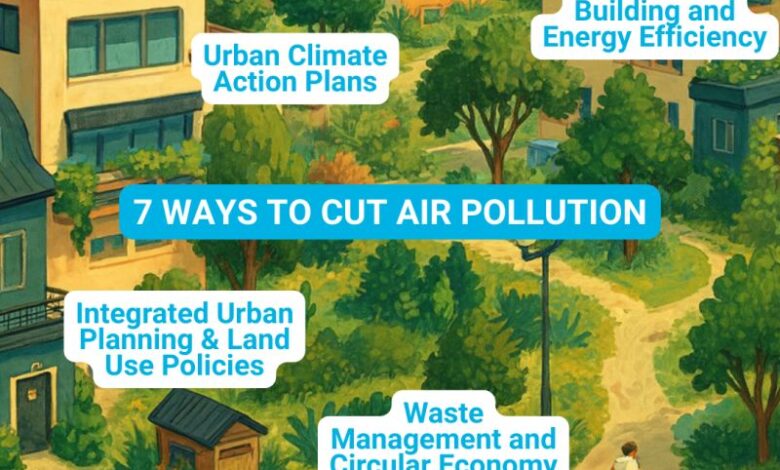
The Seven Strategies for Cleaner Air
Here’s a closer look at the key methods cities are using to clear the air:
- Smarter Urban Planning: Instead of sprawling suburbs that require cars for every errand, cities are moving towards compact, mixed-use neighborhoods. By placing homes, shops, and services close together, they naturally encourage people to walk, cycle, or use public transport, leading to fewer cars on the road and a direct reduction in exhaust fumes.
- Robust Public Transit: Investing in clean, reliable public transportation is a game-changer. Electric buses, metro systems, and well-connected transit networks don’t just move people; they also reduce the total number of private vehicles, easing congestion and lowering pollution. The added benefit of linking new housing to these transit hubs through transit-oriented development further amplifies this positive effect.
- Integrating Nature: Green and blue spaces are more than just aesthetically pleasing—they are a form of natural infrastructure. Parks, trees, green roofs, and wetlands act as living air filters, absorbing pollutants and providing a natural cooling effect.
- Cleaner Buildings and Energy: The energy we use to power our cities is a major source of emissions. By tightening building codes to make structures more energy-efficient and shifting the power grid to renewable energy sources, cities can tackle pollution at its source. This not only cleans the air but also leads to lower energy costs and improved public health.
- Reforming Waste Systems: The open burning of waste is a significant source of harmful air pollutants in many parts of the world. Improving waste collection services, implementing comprehensive recycling programs, and moving towards a circular economy—where waste is minimized and resources are reused—can dramatically cut these emissions.
- Regulating Industrial Pollution: Cities can protect their residents by setting and enforcing tougher standards for industrial facilities. This includes using smarter zoning to separate heavy industry from residential areas and requiring companies to adopt cleaner technologies.
- Making Air Quality a Priority: Clean air goals are most effective when they’re integrated into a city’s broader strategy. By explicitly including air pollution targets in climate action plans, cities like Amman are ensuring that these goals are not just an afterthought but a central part of their environmental agenda.
The Power of Policy
Beyond these strategies, the most successful cities use policy to make clean air a permanent reality. Tools like congestion pricing, which charges drivers for entering busy city centers, and low-emission zones, which restrict access for high-polluting vehicles, provide clear incentives for cleaner transport choices. These legal and regulatory measures are essential for ensuring that cleaner air is locked in for the long haul.
Temukan peta dengan kualitas terbaik untuk gambar peta indonesia lengkap dengan provinsi.


