Cracking the code | your guide to calculating scope 3 emissions
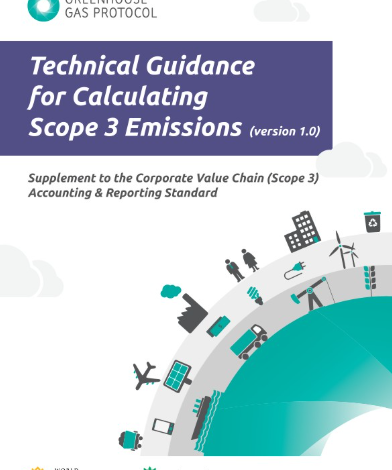
When it comes to tackling climate change, greenhouse gas (GHG) emissions often feel like an overwhelming puzzle. While Scope 1 and 2 emissions (those directly controlled by your organization) may seem manageable, Scope 3 emissions are the wild card—the emissions lurking in your supply chain, customer use, and product end-of-life. Yet, for any organization serious about achieving net-zero, understanding and managing Scope 3 is non-negotiable.
Here’s where GHG technical guidance comes in: a practical roadmap to navigating the complexity of Scope 3 calculations and transforming data into actionable insights. But beyond the technicalities, this process is about taking responsibility for the emissions ripple effect your business creates. Let’s dive in.
Why Scope 3 Emissions Matter More Than You Think
If you’ve ever thought of Scope 3 emissions as an optional layer of sustainability, think again. For many industries, up to 90% of total emissions fall under Scope 3. These emissions represent the entire ecosystem that supports your operations—from the raw materials you source to how customers use and dispose of your products.
By ignoring Scope 3, you’re only telling part of the story. Tackling these emissions isn’t just about meeting ESG expectations or compliance standards; it’s about embracing your full environmental impact and playing a leadership role in climate action.
Breaking It Down: The Key to Calculating Scope 3 Emissions
Scope 3 calculations can seem like venturing into uncharted territory. The value chain is vast, diverse, and often opaque. Here’s a simplified view of how GHG technical guidance breaks this down:
- Start with the Basics: The 15 Categories
Scope 3 emissions are categorized into 15 distinct areas—from purchased goods and employee commuting to product use and waste disposal. The first step is to identify which categories are material to your business. For instance, a manufacturer may focus on upstream raw materials and downstream product lifecycle, while a tech company may prioritize business travel and data center emissions. - Prioritize Data Quality Over Quantity
Emission factors and activity data are the building blocks of Scope 3 calculations. The guidance emphasizes starting with high-quality, available data rather than being paralyzed by perfectionism. Don’t have exact data for every supplier? Use industry averages and refine over time. - Engage Your Value Chain
Collaboration is critical. Calculating Scope 3 isn’t something you do alone; it requires partnerships with suppliers, contractors, and even customers. Sharing best practices and aligning on goals fosters trust and accountability across your ecosystem. - Leverage Technology
Today’s carbon accounting platforms and tools simplify Scope 3 calculations with AI-driven analytics and integrated supply chain data. What used to take months can now be visualized in days, empowering faster decision-making.
Beyond the Numbers: Turning Data Into Climate Action
Scope 3 calculations aren’t just about producing a neat report—they’re about driving meaningful change. Once you understand your value chain emissions, the next steps are to:
- Set Science-Based Targets
Align your goals with climate science by setting targets for absolute emissions reductions. The Science Based Targets initiative (SBTi) provides frameworks specific to your industry. - Design Low-Carbon Strategies
Reducing Scope 3 emissions often requires rethinking everything—from material choices and supplier contracts to product design and customer education. For example, switching to recycled materials or promoting circular economy principles can drastically cut emissions. - Report Transparently
Investors, customers, and regulators increasingly demand accountability. Transparent reporting on your Scope 3 progress builds trust and establishes your brand as a sustainability leader.
A Shift in Mindset: From Compliance to Opportunity
While Scope 3 emissions may feel like a compliance burden, they’re actually a game-changing opportunity. By addressing these emissions head-on, companies can unlock innovation, cut costs, and build resilience in a world increasingly shaped by climate risk.
Imagine designing products that are lighter and more recyclable, fostering deeper partnerships with suppliers to source responsibly, or leading the way in customer engagement for sustainable use. Calculating Scope 3 emissions isn’t just about measurement; it’s about transformation.
Are You Ready to Lead?
The GHG technical guidance isn’t just a toolkit; it’s a call to action. It’s about businesses stepping into their full responsibility and recognizing their potential to reshape industries for a sustainable future.
Yes, calculating Scope 3 emissions is complex. But the alternative turning a blind eye to your full impact is far more costly. Embrace the challenge, and you’ll not only reduce emissions but also future-proof your organization in an era where climate leadership defines success.
source :