
The sustainable investment framework
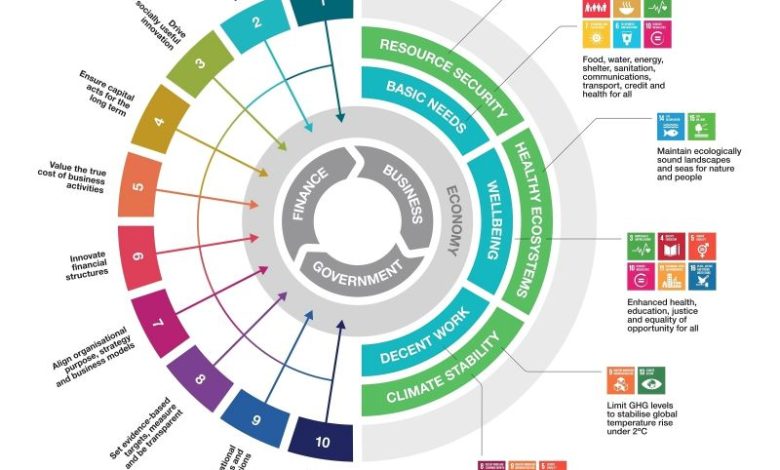
What if every dollar invested not only generated financial returns but also transformed the world? The evolving nature of investment demands more than profits—it calls for a profound shift in perspective, a way to measure success through the lens of impact, resilience, and shared prosperity.
Enter the Sustainable Investment Framework, a bold methodology that bridges the gap between financial performance and societal progress. Designed by the University of Cambridge Institute for Sustainability Leadership (CISL), this framework is more than a tool; it’s a vision for how capital can drive systemic change.
At its heart are six transformative themes: Resource Security, Basic Needs, Healthy Ecosystems, Wellbeing, Decent Work, and Climate Stability. Together, they provide a roadmap for reshaping investments, aligning them with the UN Sustainable Development Goals (SDGs), and redefining what it means to build wealth in a changing world.
Resource Security: Investing in Resilience
Picture a world where natural resources are treasured, not squandered. Resource Security emphasizes circular practices, reducing reliance on virgin materials, and promoting sustainable resource management. As we navigate a low-carbon economy, investments in resource efficiency aren’t just good ethics—they’re good business, offering resilience and competitiveness in a future shaped by scarcity and innovation.
Basic Needs and Wellbeing: Building Sustainable Societies
At its core, sustainability is about people. Investments in food, water, healthcare, and housing meet the most fundamental human needs, breaking cycles of poverty and empowering communities. Wellbeing goes further, touching lives through health, education, and social justice. Imagine a portfolio that reduces inequality, strengthens public services, and fosters inclusive growth—a portfolio that doesn’t just generate returns but creates legacies.
Decent Work and Climate Stability: Shaping a Fair, Livable Future
Work is more than an income; it’s dignity, security, and opportunity. Decent Work measures the quality of jobs, ensuring fair wages, safe conditions, and sustainable employment practices. Meanwhile, Climate Stability demands bold action to limit global warming to 2°C. Investments aligned with decarbonization and climate risk mitigation aren’t just strategic—they’re essential for survival in an era defined by climate urgency.
Finance as a Force for Change
As we stand at the crossroads of global challenges like climate change and inequality, finance holds the power to shape the path forward. The Sustainable Investment Framework shows us how to wield that power responsibly. It transforms capital from a mere tool for wealth creation into an engine of progress—one that balances profit with purpose.
The framework isn’t about trading financial returns for impact; it’s about proving that the two can coexist. By embedding these principles into financial decision-making, we can align investments with the needs of both people and the planet, ensuring long-term prosperity.
Why Now?
In 2025, this framework is more relevant than ever. Climate crises are intensifying. Inequalities are widening. Yet, these challenges come with unparalleled opportunities for innovation, collaboration, and growth. The question isn’t whether we can afford to adopt sustainable investment practices—the question is, can we afford not to?
This isn’t just about metrics or methodologies; it’s about reimagining the future. It’s about asking ourselves: What kind of world do we want to build? And how can the choices we make today shape the world of tomorrow?
The Sustainable Investment Framework is more than a guide—it’s a call to action. It urges us to rethink what we value, redefine success, and realign our resources toward solutions that create a fairer, healthier, and more sustainable world.
source :
Temukan peta dengan kualitas terbaik untuk gambar peta indonesia lengkap dengan provinsi.


