
Public transport reform guideline for Indonesian cities
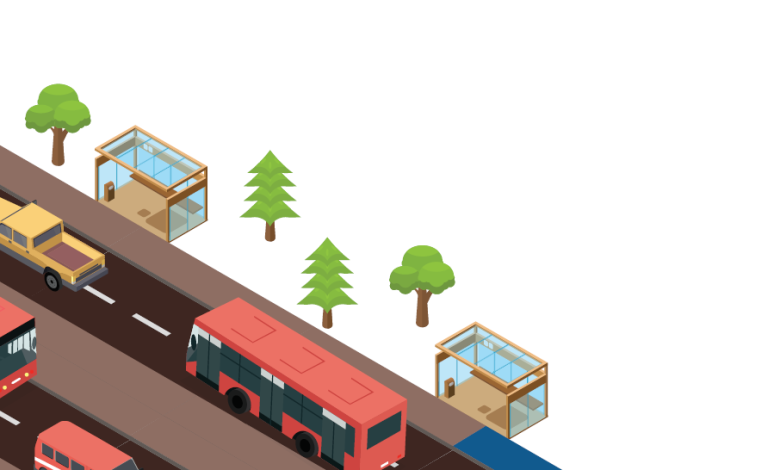
For too long, public transportation in Indonesia’s largest cities has been left to deteriorate neglected, marginalized, and pushed to the sidelines. What was once the lifeblood of urban movement has become a shadow of its former self. Minibuses once bustling with passengers now sit half-empty. City buses, aging and underfunded, struggle to compete with a sea of private vehicles. The result? A sharp decline in service quality, falling ridership, and a growing sense of public distrust in the system.
This is not just a transportation issue it’s a social and environmental one. When the promise of public transit breaks down, cities fragment. Inequality widens, congestion worsens, and the air we breathe becomes more toxic. But the blame doesn’t rest solely on outdated fleets or congested roads. It lies in a policy mindset that has, for years, favored cars over people and cast aside the very systems that once helped cities thrive.
The current trajectory is unsustainable. But change is not only possible it’s necessary. And we already know the path forward.
A Roadmap for Reform
This guideline is more than a technical document. It is a call to action for city leaders who believe that access to safe, affordable, and dignified transport is a right not a privilege. It outlines the critical steps required to reform public transportation, grounded in real-life case studies from across Indonesia.
From reviving traditional services like minibuses through better integration and regulation, to investing in modern, people-centered systems like Bus Rapid Transit (BRT), the guide highlights how change has been done—and how it can be done again.
Key stages include:
- Diagnosing the System: Understanding current conditions, including informal operators, user needs, and funding gaps.
- Building Political Will: Reform only happens when leaders take bold steps, even when it challenges the status quo.
- Designing with Users in Mind: Too many reforms fail because they overlook the people who use the system every day.
- Creating Room for Transition: Informal operators aren’t the enemy they’re often the foundation. A just transition brings them along.
- Investing for the Long Term: Infrastructure, training, technology, and communication are all essential pieces.
What’s at Stake
Indonesia is urbanizing fast. By 2045, more than 70% of its population will live in cities. Without robust, resilient public transport systems, these cities risk choking on their own growth both economically and ecologically.
But imagine a different future: Streets once dominated by cars transformed into vibrant public spaces. Children walking safely to school. Workers commuting with ease and dignity. Cleaner air. Lower emissions. Greater opportunity for all.
That vision starts with a clear commitment to put public transport at the heart of urban planning. Reform isn’t easy but it’s worth it. This guide is the first step. The rest depends on what cities choose to do next.
source:
https://itdp.org/publication/public-transport-reform-guideline-indonesian-cities/


