Cities the engine economy
Beyond the Linear City: A Circular Vision for Urban Life
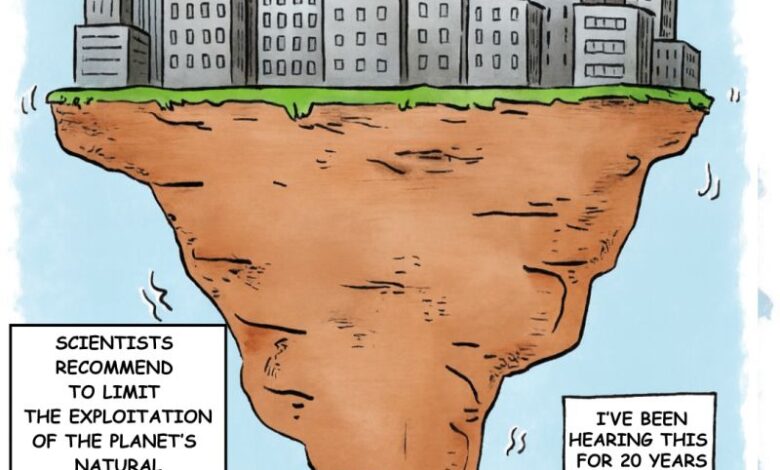
Cities are a paradox. They are hubs of innovation and economic power, yet they operate like giant vacuums, sucking up the planet’s resources and spitting out a deluge of waste. The “take-make-dispose” model is a relic of the past, and it’s pushing our planet to its limits. But what if we could flip the script? What if our cities could become engines of regeneration instead of consumption?
The High Cost of Convenience
Urban centers, while covering a mere 2% of the Earth’s surface, are responsible for a staggering 78% of global energy consumption and over 60% of greenhouse gas emissions. This unsustainable pace is fueled by an insatiable appetite for resources; our material use has tripled since 1970 and could double again by 2060. We are quite literally eating up the planet one city block at a time.
And the waste? It’s piling up faster than we can deal with it. We generate 2.24 billion tonnes of waste annually, a figure projected to nearly double by 2050 if we stay on this path. Right now, less than 60% of it is managed safely, a ticking time bomb of environmental and public health crises.
The Circular City: A Blueprint for Survival
The solution isn’t about doing less; it’s about doing things differently. The circular economy offers a revolutionary approach, transforming cities from resource hogs into closed-loop systems. This model replaces the old “take-make-dispose” mentality with a smarter, more resilient framework of reuse, repair, and recycling.
The benefits are not just environmental they’re economic and social. By going circular, cities could slash CO₂ emissions by 44% by 2050 and save up to $2.7 trillion a year. This is a powerful investment in our future, funding smarter resource use, better waste management, and higher energy efficiency.
Building a Resilient Future
Beyond the numbers, circular cities are inherently more resilient. They are less vulnerable to the shocks of global supply chain disruptions and the chaos of climate change because they rely on local resources and local ingenuity. When materials and energy are kept in circulation within the community, it creates a self-sustaining ecosystem that can weather a storm far better than one dependent on a fragile global supply chain.
The linear city is a monument to a past we can no longer afford. The circular city is a blueprint for a future where urban life isn’t just a drain on the planet but a powerful force for renewal and prosperity.