
Exploring 15-Minute City Initiatives: Transforming Urban Living One Neighborhood at a Time
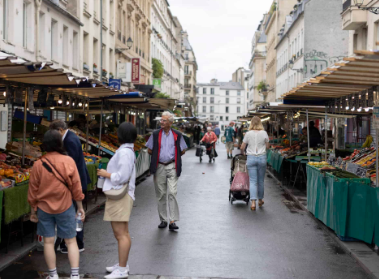
Imagine a city where everything you need—schools, shops, parks, healthcare, workspaces, and cultural venues—is just a short walk or bike ride from your home. This is the vision of the 15-minute city, an urban planning concept that reimagines our neighborhoods to be more vibrant, inclusive, and sustainable. More than just a trend, this concept addresses some of the most pressing challenges of urban life: reducing traffic, improving public health, cutting carbon emissions, and creating more livable, human-centered spaces.
The 15-Minute City Initiatives Explorer offers a window into how cities around the world are taking action to turn this vision into reality. With an ever-growing catalog of policies, programs, and initiatives, the explorer showcases how different cities are tailoring the 15-minute city concept to meet the unique needs of their communities. From dense urban hubs to sprawling metropolises, these initiatives are redefining what urban life can look like—and how it can work for everyone.
The Essence of the 15-Minute City
At its core, the 15-minute city is about proximity and accessibility. The goal is simple: ensure that residents can access most of their daily needs within a 15-minute walk or bike ride from their homes. This approach not only reduces dependence on cars but also fosters stronger, more resilient neighborhoods, where public spaces are designed to encourage interaction, well-being, and inclusivity.
But the concept goes beyond a mere urban design strategy. It’s about reshaping our relationship with cities, encouraging a more local, sustainable lifestyle. It reduces commute times, enhances the quality of life, and helps build communities where people know their neighbors and feel a sense of belonging.
A Global Approach with Local Solutions
While the idea of the 15-minute city has gained global traction, its implementation looks different in every city. Whether through zoning reforms, mobility improvements, or public space redesign, each initiative reflects the cultural, geographical, and political contexts in which it operates. The 15-Minute City Initiatives Explorer allows users to dive into these differences, offering an in-depth look at how cities large and small are making strides toward this urban ideal.
You can filter initiatives by city, population density, and region, highlighting how the 15-minute city concept adapts to a variety of urban landscapes. Whether you’re exploring compact European cities or sprawling North American metropolises, the Explorer provides insights into how local governments are leveraging this concept to create more inclusive, connected, and sustainable urban environments.
Beyond Buzzwords: Real Action, Real Impact
Though the term “15-minute city” has become a buzzword in urban planning circles, the initiatives cataloged in this explorer demonstrate that cities are taking real, tangible steps toward achieving its goals. These actions go beyond rhetoric—they are reshaping streets, redesigning public spaces, and bringing services closer to where people live.
For instance, in Paris, Mayor Anne Hidalgo has embraced the 15-minute city concept as a central pillar of the city’s climate action plan, transforming streets into pedestrian zones and repurposing car lanes for cycling. In Portland, Oregon, the city has long prioritized compact urban development, supporting vibrant, walkable neighborhoods through zoning regulations and community-oriented public spaces.
By showcasing these efforts, the Explorer not only highlights success stories but also provides a blueprint for other cities to follow. It is a tool for inspiration, learning, and adaptation, showing that no matter the scale or context, progress toward the 15-minute city is within reach.
Fostering Community Through Urban Design
One of the most powerful outcomes of the 15-minute city concept is its potential to revitalize local communities. By creating neighborhoods where people can live, work, and play without the need for long commutes, cities can foster stronger social ties and a greater sense of local identity. Public spaces become more than just transit corridors—they transform into vibrant hubs of social interaction, creativity, and culture.
As cities reduce the emphasis on cars and create more pedestrian-friendly areas, local businesses benefit from increased foot traffic, and residents enjoy cleaner air and a more connected community. This human-centric approach to urban design is not just about reducing emissions or solving traffic problems—it’s about creating places where people thrive.
Looking Forward: Expanding the 15-Minute City Initiatives Explorer
The 15-Minute City Initiatives Explorer is just the beginning. As cities continue to evolve and experiment with this concept, the Explorer will grow, capturing the latest innovations and policy shifts. Soon, it will also include tags that categorize initiatives by their specific areas of focus, whether it’s public transport, housing, green spaces, or community services.
With ongoing updates and new case studies from cities within the C40 network and beyond, the Explorer will remain a dynamic tool for city planners, policymakers, and residents alike. It invites cities to learn from one another, share successes, and adapt best practices to their own unique contexts.
The 15-minute city is more than an ideal—it’s a blueprint for the future of urban living. As we face the dual crises of climate change and urban inequality, this model offers a way forward, creating cities that are more sustainable, equitable, and enjoyable for everyone. The 15-Minute City Initiatives Explorer is not just a catalog of ideas; it’s a call to action, encouraging cities to reimagine their neighborhoods and invest in a future where proximity and accessibility are at the heart of urban design.
Explore the initiatives, draw inspiration, and be part of the movement that’s transforming cities into places where people can truly live, not just exist. The future of urban living starts with local solutions, and it starts today.
source :
https://www.c40knowledgehub.org/s/article/15-minute-city-initiatives-explorer?language=en_US


