AI for Future Cities: How Artificial Intelligence is Shaping Urban Planning and Design
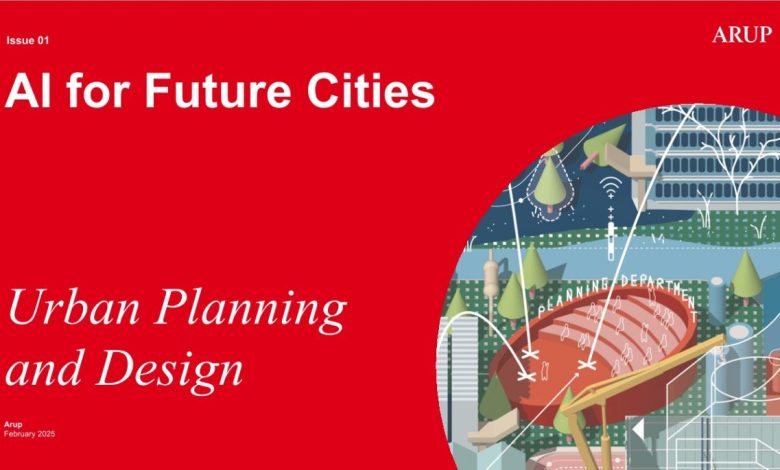
AI for Future Cities: How Artificial Intelligence is Shaping Urban Planning and Design
I recently came across an insightful report by Arup titled “AI for Future Cities”, and it’s fascinating to see how artificial intelligence is transforming the way we plan, design, and manage cities. From generative AI models to digital twins, the possibilities are endless—but so are the challenges.
Here are some key takeaways:
🔹 Generative AI: is enabling planners and designers to tackle urban challenges more efficiently, creating cities that are more responsive to climate events, demographic shifts, and user preferences.
🔹 Digital twins: are helping cities anticipate and adapt to real-time changes, making urban infrastructure more interconnected and resilient.
🔹 Ethical considerations: are critical—bias in data, privacy concerns, and the need for human oversight remain top priorities as we integrate AI into urban planning.
🔹 Citizen engagement: is being revolutionized, with AI tools allowing communities to participate in the design process like never before.
The report also highlights real-world case studies, such as the Battersea Power Station Master plan in London and the Adelaide City Plan, where AI is already making a tangible impact. As we move toward 2035, the vision of interconnected, AI-driven cities is becoming a reality. But the question remains: How do we ensure that AI is used thoughtfully and equitably to create cities that are better for people and the planet?
Source: