Climate change: should we adapt or mitigate?
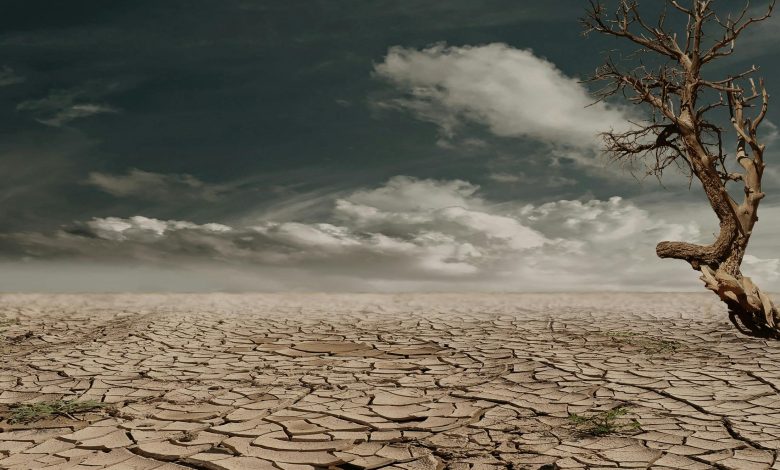
Climate change is no longer a distant threat it’s happening now, reshaping our world in real time. As extreme heat waves, rising seas, and unpredictable weather patterns become our new reality, the big question remains: Should we focus on adapting to these changes, or should we fight to prevent them in the first place? The answer isn’t as simple as choosing one over the other. Let’s dive into both approaches and why they matter.
Adaptation: Learning to Live with Change
Adaptation is about resilience. It’s the acknowledgment that climate change is already here, and we must adjust to its impacts to protect communities, ecosystems, and economies. Think of it as upgrading our defenses to withstand the storm.
Real-World Adaptation Examples:
✅ Constructing climate-resilient infrastructure that can withstand floods and extreme weather.
✅ Transforming agriculture by developing drought-resistant crops and shifting planting seasons.
✅ Improving water management to prevent shortages in vulnerable regions.
Adaptation is crucial for survival, but there’s a catch it’s often reactive, addressing symptoms rather than root causes. Without mitigation, adaptation becomes a game of endless catch-up as conditions worsen.
Mitigation: Tackling the Problem at Its Source
Mitigation is about prevention. It’s the long-term strategy aimed at slowing global warming by cutting greenhouse gas emissions. Instead of just preparing for the impacts, we reduce their intensity.
Powerful Mitigation Strategies:
✅ Shifting from fossil fuels to renewable energy sources like solar and wind.
✅ Enhancing energy efficiency in buildings, industries, and transportation.
✅ Developing carbon capture technologies to remove CO₂ from the atmosphere.
Mitigation offers a lasting solution, but here’s the challenge it takes time. The benefits of emission reductions may take decades to materialize, making it a tough sell for policymakers focused on immediate crises.
Key Differences: A Matter of Time and Scope
| Factor | Adaptation | Mitigation |
|---|---|---|
| Objective | Reduces harm from climate impacts. | Prevents further climate change by reducing emissions. |
| Time Frame | Provides short-term, immediate solutions. | Requires long-term commitment with delayed results. |
| Scope | Local and regional, tailored to specific needs. | Global, requiring international cooperation. |
| Economic Impact | High initial costs but crucial for protection. | Demands investment but creates sustainable industries. |
Both strategies require funding, policy support, and global cooperation, but they serve different purposes.
Why Not Both? A Balanced Path Forward
Relying solely on adaptation is like patching leaks on a sinking ship without fixing the hole. But focusing only on mitigation ignores the urgent need to shield vulnerable communities from today’s climate disasters.
A smart climate strategy blends adaptation and mitigation:
🔹 Adaptation helps communities withstand immediate threats—think flood barriers, heat-resistant cities, and sustainable agriculture.
🔹 Mitigation secures the future by cutting emissions and ensuring we don’t make the crisis worse.
The Time for Action is Now
We can’t afford to debate whether adaptation or mitigation is more important. We need both—urgently and simultaneously. Investing in adaptation keeps people safe today, while mitigation ensures a livable planet for future generations.
source :
https://onestopesg.com/news/climate-change-should-we-adapt-or-mitigate–1740328155860#article