Eliminate flies without toxic products
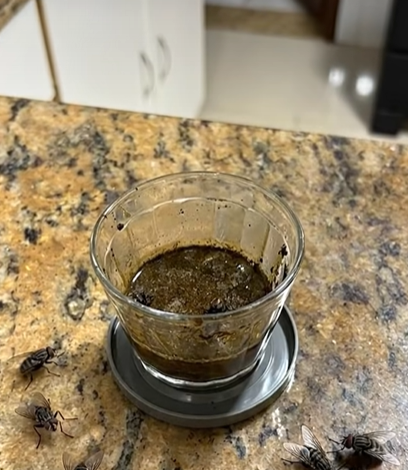
The Natural Shield: Strategies for a Toxin-Free Habitat
Beyond the Spray: Engineering a fly-free environment using biology and physics.
While industrial solutions often lean on synthetic pyrethroids, a growing movement of “Ecological Home Design” suggests that we can maintain a hygienic, fly-free space without introducing neurotoxins into our living rooms.
I. The First Line of Defense: Physical Interruption
The most effective way to eliminate flies is to ensure they never establish a residency.
- The Air Curtain: Installing a high-velocity air fan above entryways creates a localized pressure zone that flies with their lightweight wings physically cannot penetrate.
- The Yellow Sticky Trap (Modernized): These aren’t just for barns anymore. Placing discreet, aesthetically pleasing yellow adhesive strips near light sources exploits the fly’s phototactic nature (attraction to light) without leaking chemicals into the air.
II. Biological Deterrents: Scent Engineering
Flies have a highly developed sense of smell, which they use to find decaying matter. We can “jam” their sensors using specific essential oils that signal “danger” or “unsuitability” to their nervous systems.
- The Peppermint & Lavender Barrier: A 10% concentration of these oils diluted in water acts as a natural repellent. Wiping down window sills and door frames disrupts the scent trails they follow.
- Cloves and Citrus: In many tropical regions, sticking whole cloves into a halved lemon is a traditional, scientifically supported method to keep flies away from dining areas. The combination of citric acid and eugenol (from the cloves) creates a scent profile flies actively avoid.
III. The Venus Method: Carnivorous Botany
For those looking for a “circular” solution, nature provides its own pest control.
- Pitcher Plants & Venus Flytraps: Integrating these into your kitchen decor turns your windowsill into a passive biological filter. These plants release enzymes that break down the insects, providing the plant with nitrogen while keeping your air clean.
IV. Source Control: The “Two-Day” Rule
The lifecycle of a common housefly from egg to adult can be as short as seven days in warm weather.
- Moisture Management: Flies require a film of moisture to lay eggs. By using a simple squeegee on kitchen counters and ensuring garbage bins are airtight, you break the reproductive cycle at its most vulnerable stage.
Eliminating flies without toxins isn’t just about avoiding a “bad smell”; it’s about reducing the chemical load on our indoor microbiomes, protecting pets, children, and our own respiratory health.
source: