Tahukah Anda
ESG & CSR
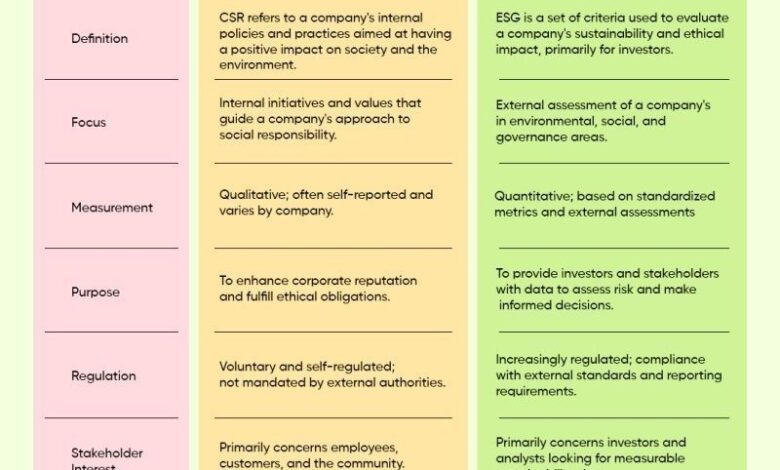
In many countries, Corporate Social Responsibility (CSR) and Environmental, Social, and Governance (ESG) are often seen as two sides of the same coin, but in India, the story is a bit different. While both frameworks are about a company’s impact on society and the environment, they have evolved along separate paths. This has led to some common misunderstandings about their relationship.
Why They’re Treated Differently in India
- Legal vs. Voluntary: The most significant difference is that CSR is a legal requirement for certain companies in India under the Companies Act of 2013. This regulation mandates that a portion of a company’s profits be spent on social and environmental projects. In contrast, ESG is a voluntary framework, with companies adopting it to attract investors who are increasingly focused on long-term sustainability.
- Compliance vs. Strategy: Because of the legal mandate, CSR is often viewed through a compliance lens. Companies often focus on meeting the minimum requirements rather than integrating CSR into their core business strategy. ESG, on the other hand, is seen as a strategic choice to improve a company’s financial performance and reputation.
- Data and Integration: Many Indian companies still lack a comprehensive understanding of how to collect and report on ESG data. This makes it challenging to integrate ESG factors into business decisions. Meanwhile, CSR data, while also a work in progress, is more clearly defined by the legal requirements.
- Focus on the Short-Term: The competitive nature of the Indian market often leads businesses to prioritize short-term financial gains. This can make it difficult to commit to long-term sustainability goals, which are central to the ESG framework.
The Truth: They’re More Aligned Than You Think
Despite these differences, CSR and ESG are deeply connected and mutually reinforcing.
- Shared Focus: At their core, both CSR and ESG aim to create positive social and environmental impact. Strong CSR initiatives directly contribute to a company’s ESG performance, especially the “S” (Social) and “E” (Environmental) components.
- Attracting Capital: Companies with robust CSR practices often have better ESG scores, making them more attractive to investors who use ESG criteria to evaluate potential investments.
- Creating Value: When integrated effectively, both CSR and ESG help a company build a better reputation, reduce risks, and create long-term value for all stakeholders, not just shareholders.
In short, CSR in India can be seen as a stepping stone to a more comprehensive ESG strategy. As the Indian market matures, the lines between these two concepts will likely blur, leading to a more holistic approach to corporate sustainability.
source: