From linear economy to a circular economy

The Circular Shift: Moving Beyond Our Linear Past
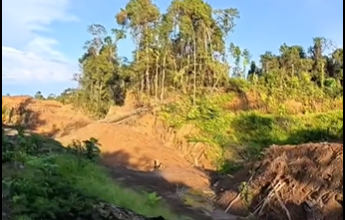
The way we’ve done business for centuries is a “take, make, waste” model, known as a linear economy. It’s a system built on the assumption of infinite resources and endless places to dump our trash. But as we’ve come to realize, neither of those things are true. This model extracts value, but it’s a short-sighted approach that leads to depletion and pollution.
The circular economy is the complete opposite. It’s not just a tweak to the old system; it’s a fundamental replacement. It’s a new way of thinking that shifts the focus from extracting value to retaining it. Instead of prioritizing volume and speed, it values durability and performance.
Redesigning for a World Without Waste
In the linear economy, waste is an inevitable byproduct. We might recycle, but that’s just managing the mess. The circular economy sees waste as a design failure. The core principle is to prevent waste from being created in the first place.
This means rethinking everything from the very beginning. During the design phase, we need to select materials that can be easily reused, recovered, or safely reintegrated into the system. Products must be built for disassembly, making it easy to repair, upgrade, and give them a second or third life. This radical approach has huge implications for how companies procure materials, develop products, and ensure compliance.
A New Way to Grow and Compete
For businesses, this transition affects the entire lifecycle of a product. It requires building systems to take products back, repair them, and put them back on the market. This creates new business processes like reverse logistics, service-based models (where you sell the use of a product, not the product itself), and robust material traceability.
This model challenges the old idea that growth is tied directly to resource use. Instead of relying on increased extraction to boost sales, a circular economy prioritizes value over volume. It emphasizes resilience and regeneration over speed and depletion.
The financial logic also changes. Capital allocation must now consider a product’s full lifecycle value, embedded risks, and future regulatory exposure. Success isn’t just measured by cost and profit margins, but by resource productivity and overall system efficiency.
The Future is Now: Policy, Innovation, and Brand
Regulations are already accelerating this shift. Extended producer responsibility laws and product take-back schemes are becoming commonplace. Businesses that get ahead of this curve can help shape policy rather than just reacting to it.
Innovation is the engine of this transition. New technologies, from bio-based materials and modular designs to AI-driven reuse platforms and digital product passports, are creating new opportunities and competitive advantages.
Circularity is also becoming a key factor in brand differentiation. It’s no longer just an environmental talking point; it’s a sign of quality, thoughtful design, and superior service. Moving forward, businesses will be judged by the functionality, traceability, and performance of their products, not just their marketing claims.
The transition to a circular economy isn’t about making an old model better. It’s about building a completely new one, designed for a future where resources are finite. It’s a structural challenge, but also a systemic opportunity.
source: