
Optimizing community waste banks: insights from semarang
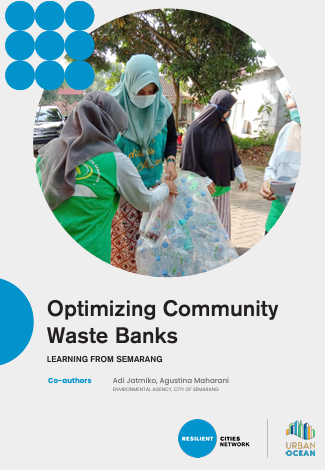
Semarang, Indonesia, offers a valuable model for optimizing community waste banks, showcasing the potential of local waste management to address urban waste challenges while promoting sustainability and community engagement. Community waste banks allow residents to sort, deposit, and monetize their recyclable waste, contributing to a circular economy while reducing the environmental burden.
Key elements of Semarang’s success include:
- Strong Community Involvement: Semarang’s waste banks thrive through active community participation, driven by educational programs that teach residents about waste segregation, recycling, and sustainable practices.
- Incentive Structures: Residents can earn credits or small financial incentives by depositing sorted recyclable waste at community banks, making it a financially appealing practice for households.
- Collaboration with Local Authorities: Semarang’s model is supported by partnerships with the local government, which provides resources, technical guidance, and policy support to scale the initiative across neighborhoods.
- Data and Tracking Systems: By tracking waste contributions and outcomes, Semarang’s waste banks collect valuable data on waste streams, helping authorities to identify patterns and improve waste management strategies.
- Education and Awareness Programs: Ongoing education fosters a culture of responsibility and empowers citizens to contribute to the waste bank system effectively.
The Semarang model exemplifies how community-driven waste management solutions can be a cornerstone of sustainable urban development, creating an eco-friendly alternative to conventional waste disposal and inspiring similar programs in cities worldwide.
source :
https://resilientcitiesnetwork.org/wp-content/uploads/2022/10/case-study-semarang-01-.pdf


