Orange Hydrogen
A Game-Changer in the Clean Energy Revolution
As the world accelerates efforts to maintain global warming well below 2°C, in line with the Paris Agreement, a fundamental transformation of the global energy system is imperative. One of the key elements in this transition is hydrogen, which is emerging as a crucial component for decarbonizing heavy industries and large segments of the transportation sector.
The Challenge of Conventional Hydrogen Production
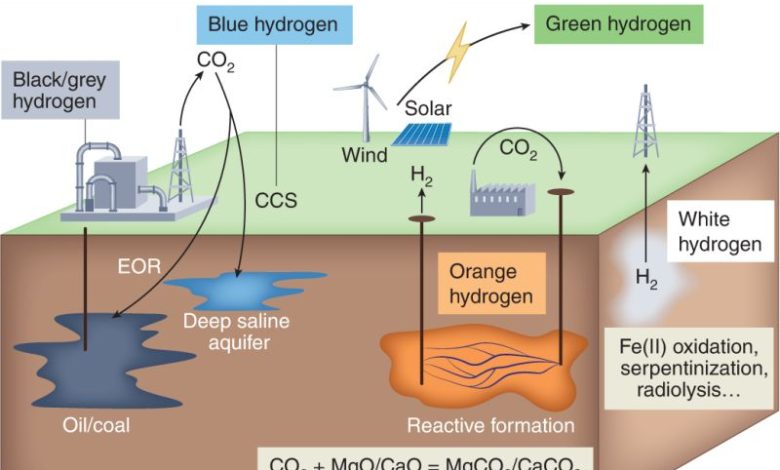
Currently, approximately 96% of global hydrogen production relies on steam reforming of coal and natural gas classified as black and grey hydrogen. While these methods are well-established, they contribute significantly to carbon emissions, undermining hydrogen’s role as a truly clean energy source. If hydrogen is to serve as a viable climate solution, the world must transition away from carbon-intensive production toward more sustainable alternatives.
Beyond Green Hydrogen: The Rise of Rock-Based Hydrogen
Green hydrogen, produced via water electrolysis powered by renewable energy, has been widely touted as the future of clean hydrogen. However, its widespread adoption faces considerable barriers, including high costs and significant energy requirements.
An emerging alternative is rock-based hydrogen specifically white and orange hydrogen. This naturally occurring hydrogen, extracted from geological formations, presents a promising and cost-effective solution. Unlike electrolysis-based production, rock-based hydrogen requires fewer raw materials and consumes less energy, making it a more efficient and scalable alternative.
The Potential of Orange Hydrogen
Orange hydrogen, when coupled with carbon sequestration technologies, has the potential to play a pivotal role in the energy transition. By harnessing naturally occurring hydrogen deposits and integrating them with storage solutions, this approach minimizes emissions while offering a stable and abundant energy source.
The Future of Hydrogen in the Global Energy Landscape
The development and scaling of alternative hydrogen production methods, such as orange hydrogen, could unlock new opportunities for achieving a low carbon future. As technology advances and investment grows, this next-generation hydrogen solution has the potential to reshape the global energy system making clean hydrogen more accessible, affordable, and impactful in the fight against climate change.
source :