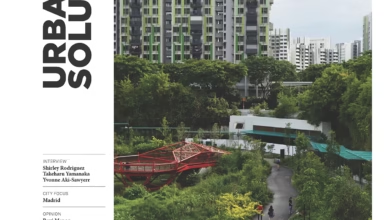
Urban design group journal
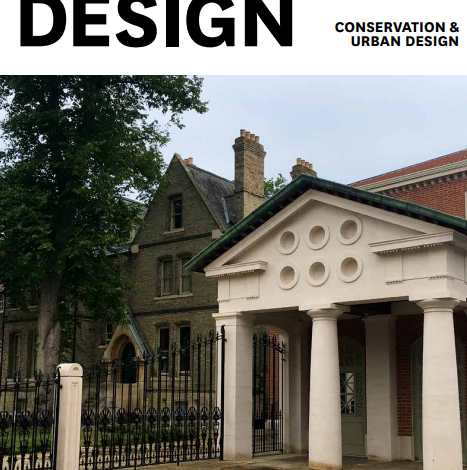
The Core Premise: The Intersection of History and Modernity
When the Urban Design Group (UDG) Journal dedicated its Autumn 2017 issue to Conservation & Urban Design, it targeted one of the most volatile friction points in city planning: How do we preserve the historical identity of a space without turning it into a stagnant museum artifact?
In urban design, “conservation” is no longer just about preserving pretty facades or individual heritage monuments. It is about historic urban landscapes maintaining the social fabric, scale, and spatial memory of a neighborhood while retrofitting it for modern economic reality, climate resilience, and population growth.
Deconstructing the Artifact
| Attribute | Metadata Details | Strategic Significance |
| Publication | Urban Design Group Journal | The UK’s premier forum for urban design thinking, bridging the gap between architecture, planning, and landscape design. |
| Chronology | Autumn 2017 (Issue 144) | Published during a global pivot point where cities were intensely grappling with rapid gentrification and the rise of the UN’s New Urban Agenda (adopted late 2016). |
| Standardization | ISSN 1750-712X | Registered serial key ensuring its integration into academic, university, and professional planning libraries worldwide. |
| Thematic Focus | Conservation & Urban Design | Moving beyond preservation (“don’t touch it”) to proactive conservation management (“adapt it wisely”). |
Key Theoretical Themes Addressed in this Discourse
While individual essays vary, an urban design journal focusing on conservation in this era typically wrestles with three critical urban mechanisms:
1. Adaptive Reuse vs. Facadism
Designers argue against “facadism” the practice of gutting a historic building and leaving only the front wall attached to a new glass tower. True conservation-led urban design integrates old structures structurally and functionally into new public realms.
2. Character Appraisal as a Design Tool
Before drawing new masterplans, designers must conduct rigorous character appraisals. This means mapping street rhythms, local materials (e.g., regional brick or stone), sightlines to historic landmarks, and traditional building heights to inform contextual new architecture.
3. The Socio-Economic Balance
Heritage conservation is often accused of driving gentrification by raising property values and displacing local communities. The journal explores skemas where conservation acts as a tool for social equity, preserving public spaces and local trades rather than just luxury real estate.
Design Maxim:
“Good urban conservation is not about preventing change; it is about managing change so that a place retains its unique sense of identity (Genius Loci) while remaining functionally alive.”
source:
https://www.udg.org.uk/sites/default/files/publications/UD144_magazine.pdf