Vertical urban mobility: why the future of urban development lies far above the ground
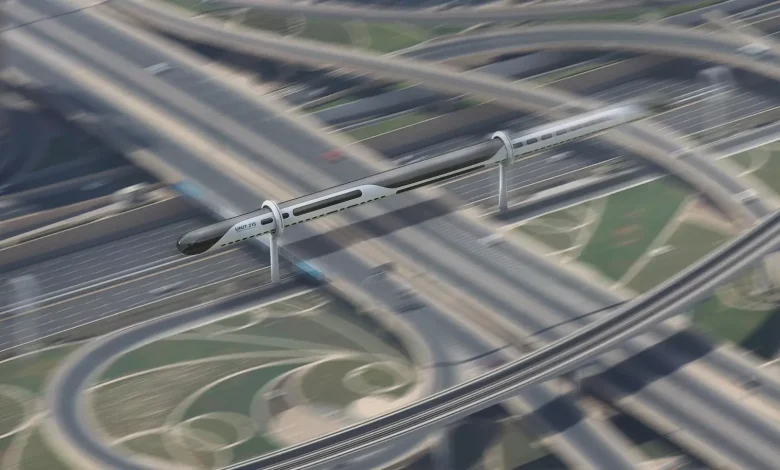
In the vibrant, buzzing conversations about urban development, one idea keeps rising to the top—literally and figuratively: the 15-minute city. This visionary concept, where residents can access work, schools, healthcare, and leisure all within a short walk or bike ride, has captivated planners, architects, and policymakers alike. But while this ideal reshapes our cities at street level, an overlooked challenge is emerging high above: the rise of Vertical Urban Mobility.
Picture this: you’ve reached your destination a workplace, a friend’s apartment, a café but the journey isn’t over. You still need to navigate from the subway platform or the parking garage to your meeting on the 45th floor. In our world of soaring skyscrapers and increasingly vertical urban landscapes, this “last mile” is now stretching skyward.
Welcome to the age of Vertical Urban Mobility, where moving up and down buildings and even between them becomes as critical as moving across the city.
Why Vertical Urban Mobility Matters
The numbers are staggering: in the next 40 years, humanity needs to build as much urban capacity as we’ve constructed over the past 4,000. Rapid population growth, particularly in Asia and Africa, has made vertical living a necessity. Sprawling cities are not only inefficient but ecologically unsustainable. The solution? Build upwards.
Yet, the challenge isn’t just constructing more skyscrapers. It’s creating seamless systems that connect them systems that ensure we don’t sacrifice convenience, sustainability, or quality of life in the process.
Think of cities like Manhattan, where density has already proven to reduce per-capita carbon footprints. Transportation-related CO2 emissions in New York are a third lower than the U.S. average. By living, working, and socializing in close proximity and often far above the ground residents share energy, reduce travel distances, and limit resource consumption.
But density alone isn’t enough. For the 15-minute city to thrive in the vertical era, we need to fundamentally rethink how people move not just horizontally, but vertically.
From Escalators to Flying Robots: What’s Next?
So, what might Vertical Urban Mobility look like in practice? Here are some tantalizing glimpses:
- Cable Cars and Suspension Trains: In cities like Bogotá, cable cars connect hillside neighborhoods to bustling urban centers. Meanwhile, Wuppertal, Germany, has perfected the art of suspension trains, gliding above ground-level congestion. Could these solutions inspire a new wave of above-ground transit linking skyscrapers?
- Innovative Escalators and Bridges: Hong Kong’s Central-Mid-Levels escalator system and Copenhagen’s bicycle bridges already integrate vertical and horizontal movement. Could future designs go even further, creating seamless transitions between high-rises?
- Electric and Autonomous Vehicles: Imagine delivery robots zipping through the skies or electric vehicles transporting residents directly to their 36th-floor apartments. Could drones and autonomous systems redefine door-to-door service in high-rises?
- Elevated Streets and Skywalks: Projects like Copenhagen’s 8HOUSE reimagine entire streetscapes above ground, blending residential, commercial, and transit spaces. What if cities had networks of elevated “sidewalks,” connecting towers with parks and public spaces?
The possibilities are exhilarating, but they also come with questions. Should public transport buses and trams—“climb” like suspension trains? How do we make these systems equitable, energy efficient, and sustainable? And perhaps most importantly, how do we ensure these innovations contribute to a greener, more inclusive future?
The Need for a Vertical Mindset
To answer these questions, we must let go of the flat-earth view that has dominated city planning for generations. Cities aren’t just horizontal; they’re dynamic, layered ecosystems that stretch upward and outward. The first step is rethinking how we design for living, working, and moving not just on the ground, but across every vertical plane.
The future is unlikely to be dominated by a single solution. Urban Air Mobility think flying taxis and delivery drones—is one exciting piece of the puzzle, but it’s not the whole picture. True mobility will be multi-modal, blending ground-level transit with vertical systems in ways we’re only beginning to imagine.
And here’s the thing: this shift isn’t just about efficiency or convenience. It’s about redefining what it means to live in a city. By embracing Vertical Urban Mobility, we open the door to more inclusive, sustainable, and resilient urban environments.
Looking Upward
The race is on to build the cities of tomorrow eco-friendly, densely populated, and human-centric. But as we rise to meet this challenge, let’s remember: the future of movement isn’t just about getting from Point A to Point B. It’s about creating places where every journey horizontal or vertical feels effortless, connected, and meaningful.
source :