𝟭𝟬 e𝘀𝘀𝗲𝗻𝘁𝗶𝗮𝗹 s𝘁𝗲𝗽𝘀 𝗳𝗼𝗿 l𝗮𝗻𝗱 d𝗲𝘃𝗲𝗹𝗼𝗽𝗺𝗲𝗻𝘁 p𝗹𝗮𝗻𝗻𝗶𝗻𝗴
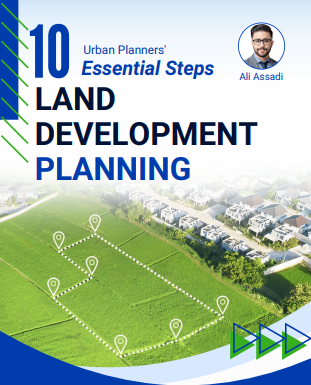
Land development is a complex process that requires careful planning, strategic decision-making, and compliance with regulations. Urban planners play a crucial role in ensuring sustainable, efficient, and community-friendly developments. Here are 10 essential steps for effective land development planning:
1. Define Project Goals and Objectives
Before starting any land development project, it is essential to establish clear goals and objectives. This includes identifying the intended land use, target demographics, and expected outcomes.
2. Conduct Site Analysis
A thorough site analysis helps planners understand the land’s physical characteristics, including:
- Topography (elevation, slopes)
- Soil composition (for stability and drainage)
- Water resources (proximity to lakes, rivers, groundwater)
- Existing infrastructure (roads, utilities, public transport)
3. Review Zoning and Land Use Regulations
Local governments impose zoning laws and land use policies to regulate development. Planners must ensure the project aligns with these regulations, including permitted land uses, density restrictions, and environmental guidelines.
4. Engage Stakeholders and Community
Public participation is vital in urban planning. Engaging local communities, government agencies, businesses, and environmental groups ensures that development aligns with public needs and sustainability goals.
5. Develop Concept Plans and Design Options
Conceptual plans provide a visual representation of the proposed development, including layouts for roads, buildings, green spaces, and amenities. Urban planners explore multiple design alternatives before finalizing a master plan.
6. Conduct Environmental Impact Assessments (EIA)
An EIA evaluates how development may affect air quality, water resources, biodiversity, and climate. Mitigation strategies should be included to minimize negative impacts and promote eco-friendly development.
7. Plan Infrastructure and Utilities
A successful development must include efficient infrastructure:
- Roads and transportation networks for accessibility
- Water supply and sewage systems for sanitation
- Electricity and renewable energy integration
- Communication networks (internet, phone lines)
8. Secure Permits and Approvals
Before construction begins, developers must obtain the necessary permits, licenses, and approvals from local authorities. These may include building permits, environmental clearances, and public utility connections.
9. Implement the Development Plan
Once approvals are in place, construction begins. Effective project management ensures:
- Timely execution
- Adherence to budget and quality standards
- Compliance with safety and sustainability guidelines
10. Monitor, Evaluate, and Adapt
After completion, continuous monitoring and evaluation help identify any necessary improvements. Urban planners assess:
- Traffic and accessibility issues
- Environmental impact over time
- Community feedback and needs
Land development planning is a multifaceted process that balances growth, sustainability, and regulatory compliance. By following these 10 essential steps, urban planners can create thriving, resilient, and well-integrated communities that enhance the quality of life for residents.