6 strategies to help cities respond to high air pollution episodes
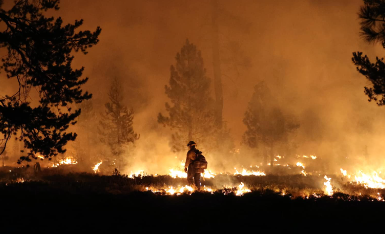
High air pollution episodes pose a threat to public health, strain the local economy and worsen our quality of life. Episodes occur when there is a sudden and significant increase in the concentration of one or more air pollutants. They are usually due to a combination of meteorological conditions and high pollutant emissions, causing air pollution concentrations to build up. They can last anywhere from a few hours to several days or weeks.
Rising temperatures and changing weather patterns are worsening the risk of high air pollution episodes in many cities. Climate change is exacerbating heatwaves, atmospheric temperature inversions and air stagnation episodes, which supercharge the reactions that trigger ground-level smog and trap pollutants. The urban heat-island effect, coupled with urban air pollution sources, makes air pollution episodes more severe in cities than in the surrounding areas. The hotter temperatures associated with climate change are also leading to an increased risk of wildfires, which fill the air with pollutants that can travel hundreds of kilometres.
To effectively combat air pollution spikes, city governments need a multi-pronged approach: emergency actions to protect communities when episodes occur, alongside a long-term action plan to reduce the risk of future episodes.
Temporary measures your city can take during a high air pollution episode
Measures that might be unworkable, unaffordable or publicly unacceptable as a permanent solution are being used by cities as temporary measures to tackle the sources of pollution during air pollution spikes. Below, we outline the measures that different cities around the world could take, depending on their local context.
- Limit pollution from vehicles with an internal combustion engine
- Temporarily reduce or eliminate public transport fares and increase service frequency during pollution spikes, making it a practical and affordable alternative to private vehicles. Connect with private coach operators and other businesses that own minibuses and buses to temporarily provide additional capacity. If this leads to overcrowding on public transportation at peak times, explore options to flatten peak demand and encourage travel in quieter periods.
- Promote remote working during pollution spikes. Enable and encourage municipal employees to work from home and issue guidance to private employers to do the same where operationally feasible.
- Implement temporary restrictions on the circulation of polluting private vehicles during air quality emergencies. These can apply to all vehicles – for example, by alternating access based on licence plates – or be targeted to the most polluting vehicles using vehicle emission ratings. Tried-and-tested enforcement options include automatic number-plate recognition cameras, police checkpoints and online self-declaration passes. Cities with an existing low-emission zone may be able to temporarily increase its restrictions and use existing enforcement infrastructure.
- Use municipal operations as an example by restricting, where appropriate, the use of polluting municipal vehicles during a pollution spike. Emergency vehicles and public transportation vehicles should be exempt from such restrictions.
- Heavy-duty freight vehicles typically produce an outsized share of cities’ transport-sector air pollution. During an air pollution spike, restrict the circulation of these vehicles – for example, limiting access or discouraging deliveries during peak hours – with exceptions for electric or low-pollution vehicles.
When pollution levels exceed a threshold, Barcelona activates its action protocol for high levels of atmospheric pollution. The most polluting vehicles are not allowed to access the low-emission zone and the granting of daily permits for access is suspended. Alongside restrictions, the city increases the affordability and frequency of public transport to provide an alternative. The T-aire ticket is available only on declared high pollution days; it permits two journeys and is cheaper than the usual price of a single journey.
- Restrict the use of the most polluting sources of energy
- Ban or strongly discourage the local use of solid fuels, including wood, coal and kerosene in residential and commercial fireplaces, heating stoves and outdoor fire pits. Cities might also temporarily cap indoor heating in homes and commercial buildings by setting a maximum heating temperature. Exemptions must be made for residents who rely on these fuels for heating and have no cleaner alternative, and for buildings occupied by elderly residents, young children and those with medical conditions who are particularly vulnerable to temperature extremes. Ensure, too, that restrictions are well communicated in local news, through the city website and on any apps controlled by the city.
- Temporarily suspend or reduce production at high-emitting industrial facilities, including high-temperature manufacturing, such as brickmaking, ceramics and cement plants. Employ city inspectors and introduce fines for non-compliant businesses.
- Suspend solvent-based maintenance, cleaning and degreasing activities at industrial sites during pollution episodes, as the volatile organic compounds from these activities are a key precursor to ground-level ozone and smog formation. Consider also limiting the household sources of heavy pollution, such as gas-fired lawn equipment. As above, city inspectors may need to be deployed to ensure compliance, particularly if introducing these measures for the first time.
Milan operates a two-tier system of temporary air quality measures when air pollution rises above a critical threshold. If PM10 air pollution exceeds a concentration of 50 μg/m3 for two days, first level temporary measures come into effect, limiting heating in residential and commercial buildings to 19°C and restricting the use of wood-fired stoves and fireplaces with an efficiency rating of less than three stars for domestic heating (where the household has an alternative system). If the air pollution exceeds the threshold for more than seven days, second-level temporary measures are triggered, which restrict the use of stoves and fireplaces with an efficiency rating of less than four stars.
- Reduce pollutants from the waste sector
- Preventing open waste burning should be a long-term goal of any city’s waste management strategy, but is especially critical during pollution spikes given the hazardous mix of particulates and toxic compounds it releases. Cities should intensify efforts to prevent open waste burning during pollution episodes. Suspend any open combustion of municipal waste and deter all open burning by residents and businesses, as well as illegal waste dumping. This should include the burning of agricultural waste, vegetation, and solid waste. Set clear penalties and publicise channels for reporting dumping or open combustion, and establish monitoring teams, prioritising known areas with a recurring history of illegal disposal and open burning. Where possible, provide additional and alternative waste collection arrangements to support compliance during these episodes.
- Pause landfill gas flaring or utilisation while peak pollution events are happening to reduce combustion emissions, and switch to temporary gas storage to reduce the risk of landfill fires, both of which can significantly worsen air quality during a pollution episode.
- Restrict the operating hours of waste collection, transfer and incineration facilities to avoid peak pollution periods, such as morning and evening rush hours, limiting emissions at peak pollution and exposure times.
Cape Town has a dedicated Illegal Dumping Unit within the city’s Solid Waste Management Department, in charge of monitoring potential hotspots and sites of recurrent open dumping. Mobile patrols and CCTV cameras are used to monitor sites, and fines and prosecutions are enforced for illegal dumping. The city also provides an app and a hotline for people to report where they see open dumping of waste. In parallel, it is expanding collection programmes for bulky waste in townships to reduce the need for dumping. When air pollution episodes strike, the city is prepared to intensify the monitoring of waste management sites and open dumping hotspots.
- Reduce pollutants and dust emitted from the construction sector
- Limit non-essential construction activities that generate high levels of dust, such as excavation, surfacing, demolition and site clearance. Where these activities are critical, mandate dust suppression measures across active construction sites during pollution episodes. These include water-based suppression, such as spraying exposed ground and materials; physical suppression, such as covering stockpiles and erecting site hoarding; and chemical suppressants applied to unpaved roads and disturbed surfaces.
- Introduce measures to discourage the use of diesel-powered generators and machinery on construction sites during pollution episodes, for instance, by incentivising a pause in construction activities or a shift in timing to avoid peak air pollution and exposure times. Cities already on the path to zero-emission construction sites could ban diesel-powered generators and construction machinery during pollution spikes, permitting only electric or hybrid equipment.
- Suspend non-essential infrastructure maintenance activities that generate high levels of dust or emit volatile organic compounds during pollution episodes, including solvent use, paint application, patching and paving.
Seoul’s Seasonal Fine Dust Management Programme runs from December through to March, enforcing temporary measures when high-pollution episodes occur. An ordinance introduces long-term action for reducing fugitive dust generated at places of business or construction sites, as well as emergency reduction measures for when fine dust concentrations are high. These include a change to construction hours in high pollution episodes to avoid peak times.
Action to reduce the risk of future episodes
- Strengthen air pollution monitoring, forecasting and emergency preparedness
- Introduce or strengthen efforts to monitor local air quality. How to set standards and monitor outdoor air quality and How resource-constrained cities can assess local air pollution offer advice.
- With monitoring in place, cities can improve pollution forecasting and warning systems by integrating real-time air quality sensors with predictive meteorological modelling and related early warning systems, such as those for wildfire. The lead time allows preventative measures to be activated before concentrations peak, rather than reactively. The data gathered by these monitoring efforts have additional benefits in that they help cities to understand the main sources of local air pollution and to design longer-term control strategies.
- Formalise an emergency response plan, setting out the measures to be activated during high-pollution episodes, and publicise it well in advance of any emergency. Plans should include measures to reduce air pollution during spike events like those outlined above, as well as measures to protect people (see below). Plans should take a tiered approach, with progressively stricter restrictions triggered at defined air quality thresholds. Communicate the plan clearly through multiple channels, including social media, local news, billboards, at medical centres and with direct alerts.
- Identify the city’s residents most vulnerable to air pollution, such as elderly people, young children, those with respiratory conditions, low-income residents who are more likely to live or work in areas with high air pollution, and informal street vendors and other outdoor workers who often have little choice but to keep working in unsafe conditions. Engage them in emergency response planning to design support and protections that can meet their needs.
- Engage representatives of impacted sectors, such as construction and logistics, to design workable restrictions and improve acceptance and compliance. Include informal workers, such as informal waste pickers and recycler associations, to ensure that temporary restrictions do not disproportionately impact them.
- Publicise advice about how people can help to protect themselves on high pollution days. Alerts should warn those who suffer from asthma to carry their inhaler, and inform people on how to reduce their exposure to the most polluted air by limiting outdoor activity and outdoor exercise, avoiding areas with lots of traffic, keeping car windows closed when driving, for example. Consider designating ‘clean air shelters’, such as community centres, schools or libraries equipped with air filtration systems, that can provide a safe refuge during severe pollution episodes. Ensure that key public buildings, such as schools and hospitals, are equipped with air filtration systems as a baseline measure.
- Engage local community networks in emergency preparedness planning and train them to assist with the dissemination of alerts and to support vulnerable neighbours during pollution episodes. This might mean designated community groups of liaison volunteers directly informing elderly or sick people in the community of an episode, or school programmes training children about emergency action, as in Mexico City’s Flag Pilot Programme.
- Work with the local healthcare sector to ensure hospitals and clinics are prepared for pollution episodes, including by anticipating a spike in admissions for asthma and other conditions. Consider establishing mobile public health units that can disseminate live air quality information and forecasts, and provide advice to vulnerable residents.
- Collaborate with regional and national government to ensure emergency response plans are vertically coherent. This is important, as air pollution crosses administrative boundaries and requires a coordinated response on multiple governance levels.
Copenhagen has launched a four-day air quality forecast system with hourly air quality updates. Building on this, the municipal health administration has developed an app for vulnerable residents, to provide warnings when pollution levels are expected to be high, so they can take necessary precautions.
Delhi has introduced separate summer and winter action plans to address seasonal sources of air pollution. The 21 actions of the 2024 Winter Action Plan include a complete ban on firecrackers, construction restrictions, and limitations on diesel vehicle movement. The city’s Green Delhi app provides a platform to allow residents to report air pollution sources, such as open burning, helping the city to enforce environmental regulation, while also raising awareness and incentivising community action.
In Mexico City, the Flag Pilot Programme trains elementary school communities on the health impacts of air pollution and ways in which they can help to reduce pollution and their exposure. School communities, comprising students, teaching staff, administrators and parents, can receive daily air quality forecasts for their area. They are encouraged to walk or cycle short tips, use public transport, ride share, avoid smoking and stay indoors during air pollution spikes.
- Reduce your city’s reliance on fossil fuels and other polluting activities
Transitioning away from fossil fuels and reducing other polluting activities will lower baseline air pollution levels and the risk of dangerously high air pollution episodes. How can cities drive the transition from fossil fuels to clean energy explains the levers city can pull to reduce fossil fuel use across all key sectors. Cities can lead by electrifying city-owned assets, public transport and activities; use the city government’s influence to accelerate national phase-out; use regulation, fees, incentives and other tools to reduce local demand for fossil fuels; and encourage a transition to clean alternatives. Cities should also develop plans to reduce dust and pollutants from construction sites – including through adaptive reuse, renovation and retrofit, and mandating deconstruction when buildings must be removed – and to improve the city’s waste management system.
For examples of cities that are implementing strategies to achieve cleaner air, read Breathe better: How leading cities have rapidly cut air pollution.