
Building a sustainable future | rural infrastructure development through pamsimas and BUMDES collaboration
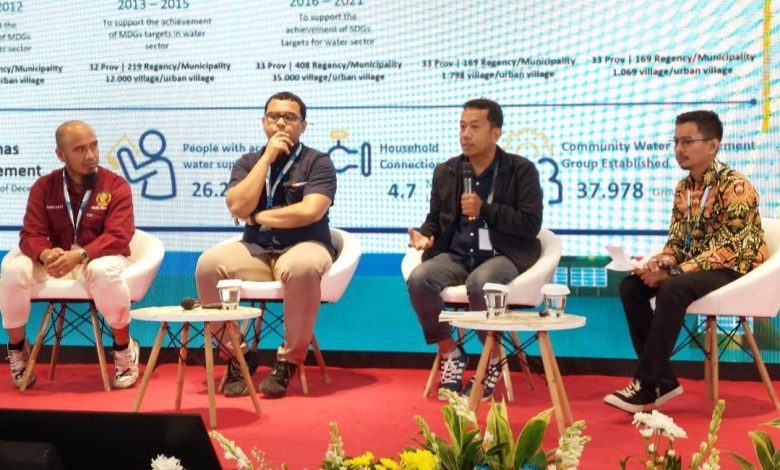
Rural development is not just a component of national progress it is the foundation upon which a country’s growth stands. For millions worldwide, rural areas are home, offering a source of life, livelihood, and cultural identity. Yet, for too long, infrastructure in these regions has lagged, limiting opportunities and hindering progress. Sustainable development of infrastructure in rural areas isn’t optional; it is essential to ensure a future where no community is left behind.
In this light, Indonesia’s Pamsimas program (Penyediaan Air Minum dan Sanitasi Berbasis Masyarakat) emerges as a shining example of how sustainability, innovation, and community empowerment can transform rural life. More than just delivering clean water and sanitation facilities, Pamsimas offers a blueprint for resilient infrastructure that lasts generations, empowering communities to take ownership of their future.
Why Sustainability Matters for Rural Infrastructure
Sustainability in rural infrastructure isn’t about short-term fixes; it’s about creating systems that endure—systems that adapt to local needs, minimize environmental impacts, and bring lasting value. It starts with:
- Environmentally Friendly Materials: Using resources that reduce ecological harm.
- Efficient Design: Infrastructure tailored for usability, durability, and minimal waste.
- Proper Maintenance: Regular care to ensure facilities remain functional for years to come.
The success of Pamsimas showcases these principles. By delivering clean water and improved sanitation to underserved villages, the program not only addresses immediate needs but also fosters a culture of care and responsibility, where infrastructure becomes a shared community asset.
The Power of Community Participation
One of Pamsimas’ greatest strengths lies in its approach to community involvement. Rather than imposing solutions from the outside, the program engages local populations at every stage:
- Planning: Understanding the needs and priorities of the community.
- Execution: Encouraging active participation during construction and implementation.
- Ownership: Training locals to maintain and sustain the facilities long after they are built.
This hands-on approach has turned Pamsimas projects into success stories. When communities are empowered to lead, they take pride in their infrastructure, ensuring its longevity. A water facility isn’t just a pipe or a well it becomes a symbol of progress, something owned, protected, and maintained by the people it serves.
Funding Sustainability: The Role of BUMDES
Sustainability isn’t just about physical infrastructure it requires financial resilience. Here, BUMDES (Badan Usaha Milik Desa) offer immense potential. These village-owned enterprises are designed to foster local economic growth and empower communities to take charge of their resources.
By collaborating with BUMDES, government programs like Pamsimas can:
- Secure Funding: BUMDES can provide financial support for long-term operations and maintenance of facilities.
- Create Jobs: Infrastructure projects offer employment opportunities for local residents, strengthening economic resilience.
- Leverage Local Expertise: BUMDES understand their communities, ensuring resources are directed where they are most needed.
For example, BUMDES can help finance clean water systems installed under Pamsimas, ensuring they remain operational and accessible for years. This partnership doesn’t just keep infrastructure alive—it breathes life into local economies, empowering villagers to thrive.
Innovation: A Game-Changer for Sustainability
Sustainable infrastructure must also embrace innovation. By integrating modern technology and forward-thinking practices, rural development can break free from traditional limitations. Imagine:
- Solar-Powered Water Pumps: Harnessing clean energy to reduce operational costs and environmental impact.
- Sustainable Waste Management Systems: Minimizing pollution while improving health outcomes.
- Smart Infrastructure: Using data to monitor usage, predict maintenance needs, and optimize performance.
Such innovations not only ensure infrastructure remains functional but also attract investment and collaboration from diverse stakeholders. They signal that rural development is not stagnant—it is dynamic, scalable, and ready for the future.
Pamsimas: A Model for Rural Transformation
The Pamsimas program reminds us that sustainable infrastructure is about people as much as it is about pipes, roads, or buildings. It demonstrates that when governments, communities, and local enterprises like BUMDES work together, real change happens:
- Villages gain access to clean water and sanitation.
- Communities take ownership and responsibility for their future.
- Local economies grow through job creation and empowerment.
- Innovations reduce environmental harm and ensure longevity.
A Call to Action: Building for Tomorrow
Sustainable rural infrastructure development is a moral imperative and an investment in our collective future. The lessons from Pamsimas—community-driven planning, innovative technologies, and collaborative funding models—offer a clear pathway to success. Governments must recognize the untapped potential in rural areas and commit to creating solutions that empower, include, and endure.
By leveraging the strength of BUMDES and embracing sustainable practices, we can build more than infrastructure—we can build hope, opportunity, and resilience for rural communities.
source :


