
Sustaining urban water supply under climate change
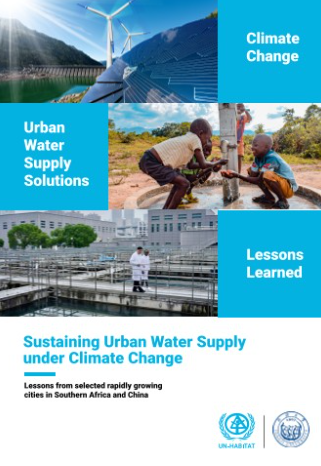
As urban populations surge and climate change intensifies, water scarcity has become one of the most pressing challenges of our time. Cities, particularly in rapidly urbanizing regions like Southern Africa and parts of China, stand at the forefront of this crisis. This report draws vital lessons from their experiences, underscoring the need for bold, innovative, and collective action to secure water supplies for generations to come.
The Intersection of Urbanization and Climate Change
By 2050, an estimated 70% of the global population will reside in urban areas. This unprecedented shift places immense pressure on water resources, especially in regions already grappling with erratic rainfall, prolonged droughts, and rising temperatures. Southern Africa provides a stark example: urban centers face increasing water demand, yet rainfall patterns grow ever more unpredictable. This dual challenge of rapid urbanization and climate variability threatens not only water security but also the social and economic stability of cities.
In this volatile context, ensuring a reliable water supply is no longer just an infrastructure issue it is a matter of urban survival.
Innovation Lighting the Way
Amidst these challenges, cities across the globe are demonstrating remarkable resilience through innovative approaches.
- Windhoek, Namibia: A global pioneer, Windhoek has mastered wastewater reuse, transforming treated wastewater into potable water. This groundbreaking system not only conserves limited freshwater resources but also sets a benchmark for other water-stressed cities.
- Shanghai, China: By leveraging advanced desalination technologies, Shanghai is addressing water scarcity despite its dense population and industrial demands. These technologies highlight how innovation can unlock previously untapped resources.
These examples reveal the power of adaptive strategies to reimagine water security in a changing world.
Lessons Learned for a Water-Secure Future
Drawing from these global efforts, several key strategies emerge:
1️⃣ Strengthen Infrastructure and Ecological Systems
Cities must invest in robust infrastructure that can withstand climate shocks while integrating natural systems like wetlands to manage water sustainably.
2️⃣ Empower Local Governments and Communities
Building capacity for adaptation among municipal authorities and local populations is critical. Social agents must be equipped with knowledge and resources to respond effectively to water challenges.
3️⃣ Overcome Institutional Barriers
Addressing bureaucratic inefficiencies and fostering coordination among stakeholders are essential steps to ensure sustainable water resource management. Effective governance is the backbone of long-term resilience.
Sustainability and Resilience for the Long Term
The path to sustainable urban water supply lies in proactive investments and collaborative efforts. Cities must:
- Harness the potential of stormwater harvesting and aquifer recharge to augment their water supplies.
- Engage in transboundary cooperation, recognizing that water crises often extend beyond municipal or national borders. Shared rivers, aquifers, and ecosystems demand shared solutions.
These strategies not only safeguard water resources but also enhance urban resilience against climate shocks, enabling cities to thrive in an uncertain future.
Collaboration: The Key to a Water-Secure World
Tackling water scarcity in the face of climate change requires an inclusive, multidisciplinary approach. Governments, researchers, and communities must unite to develop and implement solutions that address the unique challenges of each urban landscape.
This collaborative spirit is already bearing fruit in cities that prioritize innovation and equity. As more urban centers embrace this approach, the global effort to secure water in a changing climate will grow stronger, inspiring hope for a future where no city is left without this vital resource.
source :


