Restoring Floodplains: A Natural Solution to Mitigate Flooding and Enhance Ecosystem Resilience
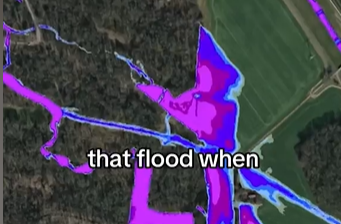
Efforts to control river flow with levees, dams, and other structures have led to unexpected consequences that affect people globally. These engineered modifications were designed to protect communities from flooding but often exacerbate the problem. By disconnecting rivers from their natural floodplains, the risk of severe flooding downstream increases, impacting communities, agriculture, and infrastructure. The loss of natural floodplains has also degraded water quality, reduced biodiversity, and left rivers less resilient to climate extremes, posing challenges that affect millions worldwide.
Healthy floodplains play an essential role in absorbing and distributing floodwaters, which helps to prevent catastrophic flooding and provides natural storage for groundwater recharge. Floodplains act as nature’s filtration system, removing pollutants and creating healthier water sources. Without these natural areas, rivers have become channels of faster, more forceful water that poses a greater risk to communities and reduces the ecosystem’s capacity to support diverse wildlife, including fish populations crucial for local economies and food security.
To address these issues, restoring floodplains to their natural functions is essential. Setting levees back, reforesting floodplain areas, and reconnecting rivers with their floodplains offer sustainable solutions that enhance flood resilience and improve ecosystem health. By giving rivers room to flood naturally, it is possible to reduce the velocity of floodwaters, spread out their impact, and protect communities and habitats from severe damage. This natural approach supports both human safety and environmental restoration, creating conditions for rivers to thrive sustainably.
Floodplain restoration also provides additional benefits, such as creating fertile soil for agriculture and providing spaces for recreation, which can strengthen local economies. These restored areas contribute to biodiversity by supporting native plants, fish, and wildlife that rely on seasonal flooding for reproduction and survival. Restored floodplains provide multiple functions and services that engineered solutions cannot, creating natural buffers that support both people and ecosystems.
As climate change continues to increase the frequency and severity of floods, restoring natural floodplains is a critical part of climate action.
Source: