
Carbon credits
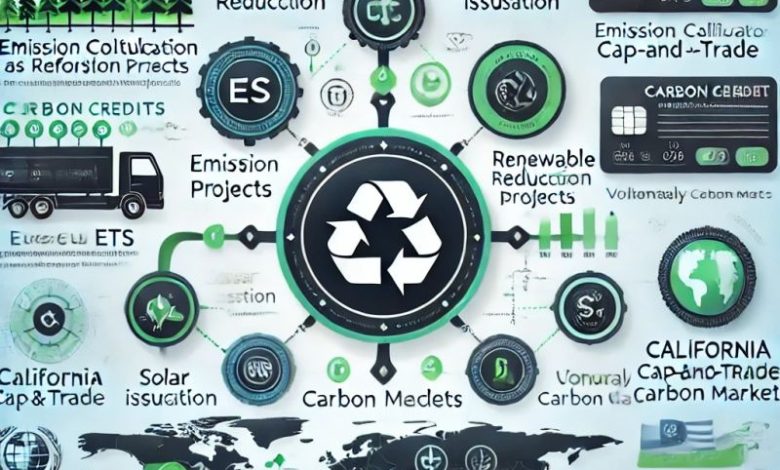
As the world races to mitigate climate change, carbon credits have emerged as a game changer an innovative tool that bridges economic growth with environmental responsibility. But beyond the technical jargon, what do they truly mean for businesses, communities, and the planet? Let’s dive deeper into the world of carbon credits and explore their transformative potential.
What Are Carbon Credits?
Imagine if reducing emissions could be quantified, rewarded, and traded. That’s the essence of carbon credits each representing one metric ton of CO₂ (or its equivalent) that has been prevented, reduced, or removed from the atmosphere. These credits fuel a global effort to offset carbon footprints while driving investment into sustainable initiatives like reforestation, renewable energy, and carbon capture technologies.
How Are Carbon Credits Calculated?
Ensuring credibility and impact, carbon credits adhere to stringent international standards such as the Gold Standard, Verified Carbon Standard (VCS), and Clean Development Mechanism (CDM). The process unfolds through:
- Baseline Assessment – Establishing a reference point by measuring the emissions that would occur without the project.
- Emission Reduction Measurement – Evaluating the tangible impact of sustainability efforts on reducing emissions.
- Verification & Certification – Independent auditors confirm the reductions, issuing credits that hold real environmental value.
Major Carbon Credit Markets
The world’s carbon markets operate on different scales, from compliance-driven systems to voluntary exchanges:
- EU Emissions Trading System (EU ETS) – The gold standard for regulated carbon trading, covering major industries in Europe.
- California Cap-and-Trade Program – A North American model ensuring businesses stay within emission limits while promoting green innovation.
- Voluntary Carbon Markets (VCM) – Platforms like Verra and Gold Standard allow companies and individuals to invest in sustainability beyond regulatory requirements.
- China’s National ETS – The world’s largest carbon market by emissions covered, showcasing China’s commitment to climate action at scale.
Why Do Carbon Credits Matter?
Carbon credits are more than just financial instruments; they are a strategic lever for change. Here’s why they play a pivotal role in shaping a greener future:
- Accelerating Emission Reductions – By putting a price on carbon, companies are incentivized to cut emissions and adopt cleaner technologies.
- Funding Sustainability Projects – Revenue from carbon credits flows into initiatives like afforestation, renewable energy, and carbon capture, creating tangible environmental benefits.
- Enabling Net-Zero Commitments – Businesses and governments leverage carbon credits to neutralize their carbon footprints and meet ambitious climate targets.
- Sparking Innovation – The demand for carbon offsets drives breakthroughs in climate technology, making decarbonization more efficient and accessible.
Carbon credits represent a shift in how we perceive and tackle climate action—not as a burden, but as an opportunity. As markets evolve and regulations tighten, organizations that integrate carbon credits into their sustainability strategies won’t just comply with climate goals; they will lead the charge in redefining a resilient and sustainable future.
source :


