
An introduction to responsible investment: cliamte adaptation and resilience
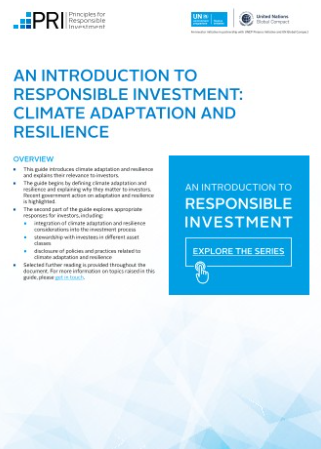
A Wake-Up Call for Investors: Prioritizing Climate Adaptation Amidst Intensifying Physical Risks
While the global investment community has largely focused on climate change mitigation, a critical shift is underway. A timely new guide from the Principles for Responsible Investment (PRI) underscores a parallel and increasingly urgent imperative: investors must now actively assess and address the physical climate risks that are already materializing around the globe. This perspective strongly aligns with recent dialogues within Brazil’s financial sector, which highlight a growing recognition that the most prominent climate risk to monetary policies and financial stability is transitioning from a focus on systemic changes to the direct impacts of chronic physical climate hazards.
This PRI publication serves as a crucial call to action, urging a reevaluation of traditional risk analysis to inform capital allocation strategies moving forward. In a rapidly changing climate landscape, this proactive approach is precisely how fiduciary duty should be interpreted and implemented.
Key takeaways from this vital guidance include:
- Without adequate adaptation measures, global losses stemming from physical climate risks could exceed an staggering US$1.2 trillion annually by 2050.
- Investments in adaptation, particularly within critical sectors like infrastructure, water, and food systems, offer significant economic returns.
- Integrating climate resilience into all facets of investment processes, including stewardship and disclosure practices, is no longer optional but essential.
- Investors have a responsibility to influence not only the behavior of the companies they invest in, but also broader policy and industry standards.
The urgency of this shift is particularly evident in regions like Brazil, where climate extremes are intensifying and existing infrastructure vulnerabilities are becoming more pronounced. In such contexts, adaptation finance is no longer a discretionary choice but a necessity. However, a significant gap remains: the financial system in Brazil currently lacks standardized metrics, clear targets, and comprehensive taxonomies specifically for adaptation finance.
This highlights a clear mandate for asset owners: they must immediately demand the full integration of both physical and transition climate risk assessments into capital allocation decisions. Asset managers who fail to perform such assessments are demonstrably not fulfilling their fiduciary duties in this evolving climate reality.
source:


