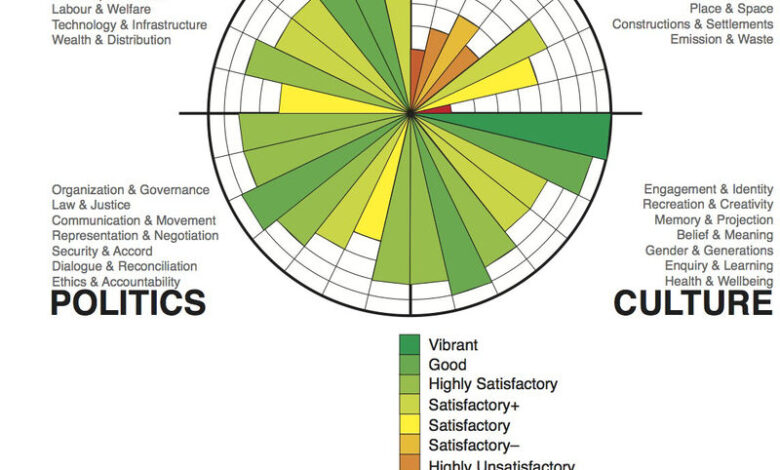
The 4 pillars of true sustainability
The One-Dimensional View Persists
Many still operate under the traditional, one-dimensional view of sustainability, which often reduces it to a single issue.
- For Businesses: This often means focusing solely on environmental, social, and governance (ESG) metrics as a box-ticking exercise, rather than a fundamental shift in their operating model. The goal might be to meet a regulatory requirement or appeal to a specific consumer segment without truly integrating sustainable practices throughout the entire supply chain.
- For Governments: Policies may concentrate on a single pillar, such as setting carbon emission targets, without adequately considering the social or economic repercussions. For example, a new environmental regulation might disproportionately affect low-income communities or stifle economic growth in certain sectors, highlighting a lack of a holistic perspective.
- For Communities: Individual action, while important, can sometimes be seen as the entire solution. The focus remains on personal choices like recycling or reducing plastic use, which, while valuable, can overshadow the need for systemic change in infrastructure, law, and economic models.
This narrow focus is often a result of inertia, a lack of understanding of the interconnectedness of the issues, or the perceived high cost and complexity of a full-system transformation.
A Systemic Shift is Underway
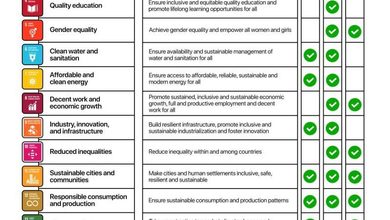
Despite the lingering one-dimensional view, there is a growing recognition that true sustainability requires a multi-pronged, systemic approach. This shift is most evident in the following areas:
- Integrated Business Models: Forward-thinking businesses are moving beyond simple ESG reporting to adopt circular economy models. These models aim to eliminate waste and keep resources in use for as long as possible. The focus is on designing products for longevity, repairability, and recyclability, which touches on all four pillars: economics (new business models), ecology (less waste), politics (influencing policy), and culture (consumer education).
- Collaborative Governance: More governments are adopting policies that integrate economic, social, and environmental goals. Examples include a “green new deal” or similar initiatives that aim to transition economies to clean energy while also addressing social equity and job creation. This requires collaboration across different government departments and with the private sector.
- Community-Led Initiatives: Many communities are leading the way by developing local food systems, creating urban green spaces, and building community-owned energy cooperatives. These initiatives embody the Circles of Sustainability, as they address economic viability, ecological balance, political empowerment, and cultural identity simultaneously.
The challenge is immense, but the opportunity is equally so. The conversation has evolved beyond a simple “either/or” to a more nuanced understanding of the complex interplay between our systems. The question is no longer just if we need to change, but how we can effectively transition to a more holistic, interconnected approach.
source: