Newsletter
Climate action “meats” financial incentives
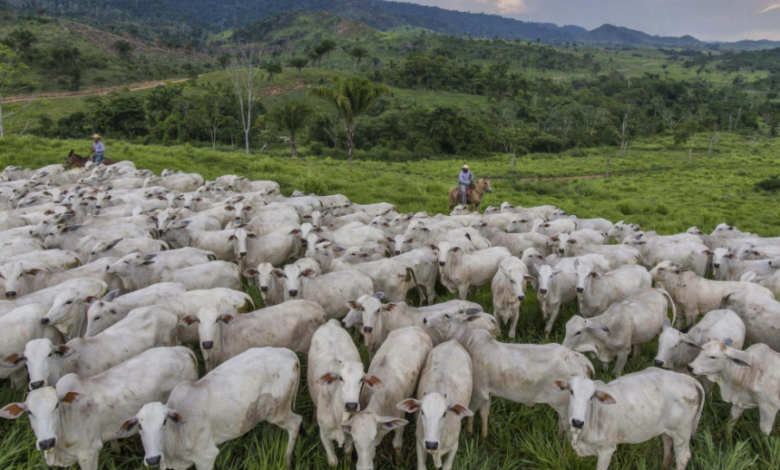
| Last month’s COP30 in Belém, Brazil put the Amazon front and center. Though the conference has ended, the rainforest remains as important as ever: a global biodiversity haven, climate stabilizer and home to 47 million people. But the threats to its future remain, too. In fact, the Amazon’s greatest threat is the very industry that sustains the region’s economy: agriculture. Specifically, the clearing of forest for farming soy and grazing cattle. Cattle ranching in Brazil alone accounts for almost 1/4 of the world’s tropical forest loss every year. Now let that stat sink in as you ponder the problem facing our planet’s greatest carbon sink. A cycle of degradation There’s a vicious cycle at play here: Brazil’s continued strength as a top global food exporter is driving forest loss. This deforestation, much of which is illegal, degrades the soil and destabilizes the very climate systems on which agriculture depends. Diminishing resources drive farmers and ranchers to clear even more land. And so the cycle goes. Ultimately, deforestation threatens the long-term viability of the entire food industry, especially as climate impacts intensify. Taking stock of livestock In response, the Brazilian state of Pará—where an estimated 50% of cattle are raised on illegally cleared land—launched Brazil’s first animal-level traceability policy. As a requirement of the Pará Sustainable Cattle Program, every single cow grazing in Pará will be tagged with a unique tracking identifier. This tag shows where the cow spent its life, enabling meatpackers and even grocery stores to confirm its journey from pasture to processing didn’t involve illegally cleared land—and rewarding ranchers for their compliance. The initiative kicked off in 2025, the latest step toward a future in which these efforts are mandatory. |
| What does this bold move mean for the Amazon—and the global beef supply?You “herd” it here first |
| THE ROAD TO 2030By the end of the decade, we will support 45 million people whose well-being and livelihoods depend on healthy oceans, freshwater and lands. We will also partner with Indigenous People and local communities to learn from and support their leadership in stewarding their environment, securing rights to resources, improving economic opportunities and shaping their future. Learn more about our 2030 goals.We’re on it: Science that matters for your world“Shocking and entirely predictable”Clare Shakya, TNC’s global managing director of climate, on the results of the UN Environment Programme’s annual Emissions Gap Report.Finding the coolest treesThis study shows how to plant the right tree in the right place for maximum street-cooling.Beautiful places, powerful protectorsMangroves really can do it all—and a new study quantifies the economic benefit they provide. Find out what that number is.Also on our mindsImportant wins for multilateralismRead more from TNC’s global managing director of climate on COP30 outcomes—and shortfalls.Okay but what’s next?Where we go from COP30.Fronds and foesTeams of scientists are hauling up sea urchins in droves to restore California’s underwater kelp forests. Why?By land and by seaLast year, Gabon refinanced $500 million of its debt to pay for ocean protection. Now, with help from TNC, it has a plan for its rainforests.Stories of the AmazonExplore these award-winning images of the rainforest—and meet the photographers behind them.Sorry, can’t talk, busy learning about swans. © Scott Copeland…and one more thingIf you’re a regular reader of this newsletter, you might enjoy “The Twelve Days of Christmas” as much for its avian flair as its seasonal cheer. Whether finding feathered meaning in “five golden rings,” learning where those “four calling birds” came from, or debating which type of partridge could, in fact, be found in a pear tree, our colleagues at Cool Green Science have long endeavored to answer your burning bird questions about the iconic carol. This year, they turned their magnifying glass to the mystery of the “seven swans a-swimming.” While we don’t think the strong-willed waterfowl would make a particularly pleasant holiday present (never mind seven of them), we promise that the gift of knowledge you’ll get from meeting these swan species is more than worthwhile. |