
Sustainable development of energy supply planning for productive economy in isolated island
A Blueprint for Sustainable Economic Transformation in the Sitaro Islands
For Indonesia’s border and isolated islands, energy is often the primary bottleneck to economic dignity. In the Sitaro Islands, North Sulawesi, the current reliance on expensive, fossil-fuel-dependent PLTD (Diesel Power Plants) creates a fragile foundation for growth. This paper argues that a transition to a Photovoltaic-centric (PV) hybrid system is not just an environmental choice, but a strategic economic mandate to unlock the region’s productive potential.
1. The Current Energy Deficit: A Barrier to Value-Add
Currently, Sitaro’s energy landscape is defined by its limitations. With a total generation of 6,000 kW fully supplied by diesel, the islands suffer from high operational costs and logistical vulnerability.
- Consumption Patterns: Existing demand is largely domestic (lighting, ironing, entertainment), which represents “passive consumption” rather than “productive utilization.”
- Economic Stagnation: While fisheries, agriculture, and tourism dominate the local landscape, they remain in a raw, low-value state due to a lack of reliable, industrial-grade power for processing and cold storage.
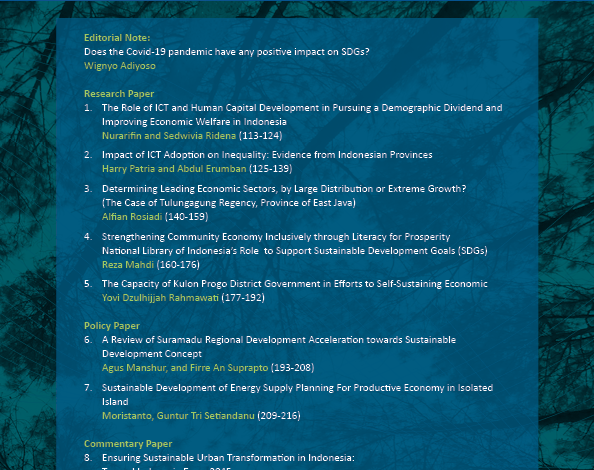
2. Unlocking the “Blue and Green” Synergy
The Sitaro Islands possess a unique geographic advantage: an abundance of solar irradiance paired with rich marine biodiversity. The path to a productive economy lies in the convergence of these two resources.
Transitioning from Diesel to Photovoltaic (PV)
To achieve a secure and affordable supply, Sitaro must pivot to its most viable local resource: Solar Energy.
- The Solar-Storage Mandate: Because PV is daylight-dependent, the integration of Battery Energy Storage Systems (BESS) is critical. This allows the “daylight harvest” to power the “midnight demand,” ensuring the 24/7 reliability required for industrial applications.
- Decentralized Resilience: By leveraging the existing four distribution systems (Siau, Makalehi, Tagulandang, and Biaro), the islands can transition into a series of resilient microgrids, reducing the risk of total system failure.
3. Powering the Industrial Cluster: Fisheries & Tourism
Energy supply planning must be dictated by the Productive Economy, not just household needs. The local government’s vision for industrial fisheries and exotic tourism requires a new energy standard:
- The Fishery Cold Chain: Sufficient and reliable energy allows for the establishment of on-site freezing and processing facilities. This transforms Sitaro from a raw material exporter into a processed goods hub for international markets, drastically increasing the “value-added” for local fishermen.
- Exotic Eco-Tourism: High-end, sustainable tourism relies on “Green Branding.” A resort powered by renewable energy is more attractive to the modern global traveler, creating a premium market for Sitaro’s natural beauty.
4. Strategic Recommendations: The Energy-Economy Nexus
| Objective | Strategy | Expected Outcome |
| Supply Security | Substitute PLTD with PV + Storage | Reduced fuel logistics costs & lower carbon footprint. |
| Economic Growth | Prioritize “Productive Loads” (Cold Storage/Milling) | Increased GDP through local industrialization. |
| Social Welfare | Community-based Energy Management | Higher household income and energy affordability. |
Commitment as the Ultimate Resource
The technical potential of the Sitaro Islands is undeniable. However, the transition from an isolated outpost to a productive economic gateway requires a Tripartite Commitment between government, industry, and society.
By re-engineering the energy infrastructure to be sufficient, secure, and renewable, Sitaro can move beyond mere “lighting” and toward a future of industrial strength. The goal is clear: Energy should not just illuminate the islands; it should power their prosperity.
source:
https://journal.pusbindiklatren.bappenas.go.id/lib/jisdep/article/view/71
Temukan peta dengan kualitas terbaik untuk gambar peta indonesia lengkap dengan provinsi.


