
The circular economy question
The Ghost in the Machine: Why “Circular” Fashion is Failing Its People
Every year, the global fashion machine spits out 92 million metric tons of textile waste.
For decades, we’ve been handed a comforting narrative to soothe our consumer guilt: the donation bin. We drop off our discarded fast-fashion hauls, imagining them finding a second life on someone else’s back, or being neatly transformed into pristine new yarn. A large portion of these clothes embark on a massive, transoceanic journey to global recycling hubs like Panipat, India.
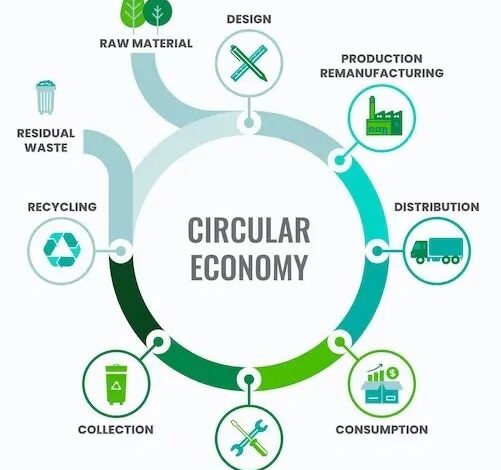
On paper, Panipat is a triumph of the circular economy. It ticks every corporate sustainability box:
- Old textiles are collected.
- Dead fibers are resurrected.
- Millions of tons of waste are diverted from landfills.
It sounds like a perfect loop. But step inside the factories, and the clean math of the circular economy begins to unravel.
The Invisible Social Cost
True sustainability cannot exist in a vacuum. A system is not “circular” if it simply loops environmental degradation into human suffering.
Behind the recycled fabrics we proudly wear are thousands of invisible workers. Every single day, they sort, shred, and process the global North’s cast-offs. They do so while breathing in dense textile dust, handling toxic dyes, and navigating hazardous machinery all within an economy that keeps their wages low and their working conditions perilous.
When we only measure the success of an economy by the tons of carbon saved or landfills avoided, we treat human beings as mere fuel for the green transition.
The Five Pillars of True Circularity
A truly sustainable model must look beyond the material loop and actively defend the humans holding it together:
- Human Health: Eliminating toxic chemical exposure in processing hubs.
- Worker Safety: Providing protective gear and ergonomic, secure facilities.
- Community Wellbeing: Ensuring fair, living wages that lift families out of poverty.
- Resource Efficiency: Designing clothes to last longer before they ever need to be recycled.
- Environmental Justice: Stopping the practice of wealthier nations outsourcing their waste management crises to developing countries.
Moving Beyond the Loop
The fashion industry has mastered the art of borderless logistics. It can design a shirt in Europe, manufacture it in Asia, sell it in America, and discard it in India with terrifying efficiency.
Now, the world must become equally aggressive at managing the consequences of our obsession with overproduction.
Dropping a bag of old clothes into a bin doesn’t make them vanish. It simply transfers the burden to another economy. Another community. Another mother, father, or child standing in a cloud of dust halfway across the world.
The future of circularity cannot just be about keeping materials in use longer. If a supply chain saves the planet but destroys the person, it has failed. True environmental progress and human dignity must move forward together—because a loop built on exploitation isn’t circular. It’s just a trap.
What changed in this version?
- A Narrative Hook: It reframes the “donation bin” from a simple fact to a “comforting narrative to soothe consumer guilt,” which immediately engages the reader’s emotions.
- Sharper Contrast: It pairs the clean corporate language (“ticks every box”) directly against the visceral reality of the workers (“breathing in dense textile dust”).
- A Call to Conscience: Instead of just saying “this reveals a challenge,” it uses urgent framing like “If a supply chain saves the planet but destroys the person, it has failed.”
source:
https://www.linkedin.com/feed/update/urn:li:activity:7461299615196254208/


