Towards sustainable wastewater management in Bosnia and Herzegovina insights from Sweden
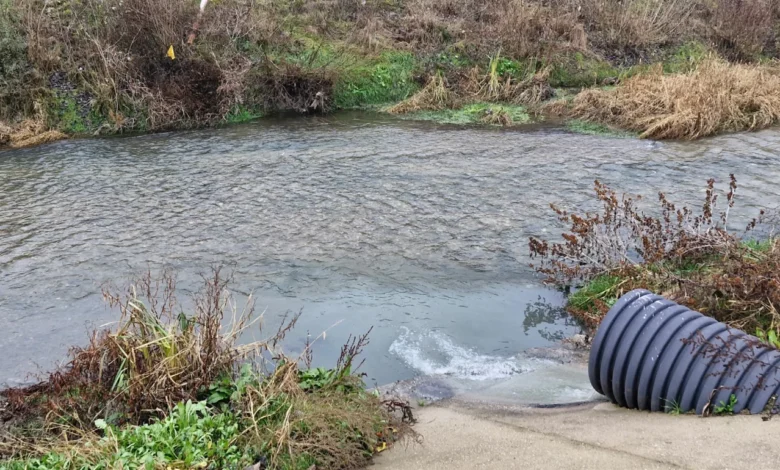
Bosnia and Herzegovina (BiH) faces a critical infrastructure gap in aligning with the European Union’s Urban Wastewater Treatment Directive (UWWTD). With estimated capital requirements reaching €3.5 billion representing roughly 15% of the nation’s GDP the country’s existing footprint of just 20 operational wastewater treatment plants (WWTPs) suffers from sub-optimal load capacity, deferred maintenance, and inadequate sludge processing.
However, constructing physical plants alone will not yield EU compliance. Long-term operational sustainability requires structural reform across governance, inter-municipal financing, and resource recovery architecture. By drawing from Sweden’s decentralized and knowledge-sharing models, BiH has a distinct opportunity to bypass traditional linear infrastructure in favor of a circular, resource-reclaiming ecosystem.
Key Strategic Pillars for Reform
1. Embracing Circular Economy & Resource Leapfrogging
Rather than building legacy centralized networks that focus strictly on disposal, BiH can integrate resource recovery mechanisms from inception:
- Nutrient Reclaiming: Capturing nitrogen and phosphorus for agricultural reuse.
- Energy Generation: Utilizing sewage sludge for biogas production to offset operational plant energy costs.
- Water Reuse: Treating effluent to standards suitable for industrial cooling and agricultural irrigation, reducing stress on primary freshwater sources.
2. Knowledge Aggregation & Standard Harmonization
BiH’s fragmented institutional landscape across entities and cantons leads to inconsistent operational standards. Adopting Swedish organizational templates can bridge this gap:
- Sectoral Knowledge Platforms: Replicating models like Sweden’s Svenskt Vatten and Avloppsguiden to establish unified technical standards, municipal operator certification, and clear guidelines for Individual and Appropriate Systems (IAS).
- Decentralized Competence Networks: Providing rural municipalities with technical toolkits and regulatory oversight frameworks for non-sewered sanitation.
3. Inter Municipal & Inter-Cantonal Cooperation
Given the political and administrative divisions within BiH, scale efficiencies can be achieved through shared administrative and operational structures:
- Shared Infrastructure: Joint ownership and management of regional treatment hubs serving adjacent municipalities.
- Capacity Pooling: Consolidating technical expertise, laboratory facilities, and procurement power across cantonal lines to drastically reduce unit operating costs.
Comparative Model: Conventional vs. Circular Strategy
| Dimension | Conventional Linear Model | Proposed Circular Strategy (Swedish Insights) |
| Primary Goal | Effluent disposal & basic compliance | Resource recovery (Energy, Nutrients, Water) |
| System Architecture | Heavily centralized, capital-intensive | Hybrid: Centralized hubs + Decentralized IAS networks |
| Governance Structure | Fragmented municipal oversight | Coordinated inter-municipal & sectoral associations |
| Long-Term Cost Driver | High ongoing CAPEX/OPEX for maintenance | Cost offsets via energy capture & nutrient valuation |
source:
https://www.sei.org/publications/sustainable-wastewater-management-bosnia-herzegovina-sweden