
Jakarta: Health and Sustainability in the Megacity
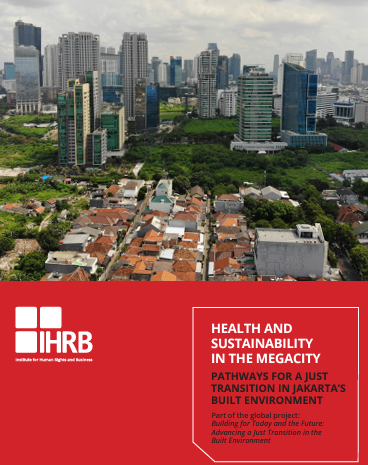
Buildings and construction contribute 37% of global energy-related carbon emissions. At the same time, cities are often where people experience the impacts of climate change, rising living costs, and socioeconomic inequalities. The project examines green transition processes in the built environment of eight cities globally, aiming to (1) strengthen the understanding of social justice and human rights issues in each context and globally, and (2) open up pathways for local and international action to improve the social sustainability of these processes. The results of this project will help stakeholders make informed decisions in urban and sustainability policies, and take steps towards implementation (in various contexts and at various levels of governance). The project is structured in four research cycles, each undertaking parallel research in two cities to derive comparative insights. The pairs of cities are: Prague and Lagos, Lisbon and Melbourne, Copenhagen and Jakarta, Athens and Valparaíso. This report intends to inform policy-makers, investors, and businesses involved in shaping the built environment in Jakarta, as well as civil society actors working to expand the space for socially inclusive climate action. TERMINOLOGY Built environment: The tangible urban environment, i.e. buildings, infrastructure and the spaces that connect them. Built environment decarbonisation: Measures to reduce greenhouse gas emissions from the built environment by improving the energy efficiency of new and existing buildings, switching to renewable energy supplies, and reducing the climate footprint of construction materials.
Source:
https://www.ihrb.org/resources/pathways-for-a-just-transition-in-jakarta


