Carbon Credits for Water, Sanitation, and Hygiene (WASH) Interventions
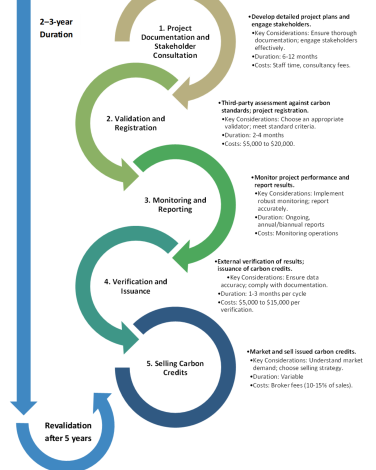
Water, sanitation and hygiene (WASH) projects can benefit from incorporating carbon credit mechanisms, which can help them address growing climate challenges and build sustainable and resilient community infrastructure. This summary presents key findings from the comprehensive learning paper “Carbon Credits for WASH Interventions,” which explores the mutual benefits of combining carbon finance and WASH programs. As environmental sustainability becomes a global priority, this paper explores the opportunities, benefits and strategic considerations of using carbon credits to support WASH initiatives.
Carbon credits, which represent the reduction, removal, or avoidance of one ton of carbon dioxide emissions, have become an important tool in the global response to climate change. This brief analyzes how these environmental finance instruments can not only promote sustainable development, but also potentially finance the transition to climate-resilient WASH systems. By accessing carbon markets, WASH projects can generate new sources of revenue, thereby improving their implementation and impact.
The paper covers the basic concepts of carbon markets, the creation of carbon credits from WASH projects, and the complex dynamics of these interventions within the carbon finance landscape. An important part of this analysis is understanding how WASH initiatives can meet the eligibility criteria for carbon credits, overcome barriers such as suppressed demand, and ensure the additionality of projects. The summary highlights these key areas, providing a simplified overview while inviting readers to refer to the Learning Paper for full details and nuanced discussions.
For stakeholders in the WASH sector-from program implementers to donors-this brief serves as an introduction to the potential of carbon finance to improve the sustainability and climate resilience of WASH interventions. By clarifying the opportunities and strategic approaches within this innovative financing mechanism, it aims to motivate informed decision-making and the adoption of best practices in integrating carbon finance into WASH projects.
For a more in-depth exploration of the concepts, methodologies and case studies presented in this summary, readers are encouraged to consult the full Learning Paper “Carbon Credits for WASH Interventions” as well as the feasibility study conducted in Amhara Ethiopia included in the paper. There they will find a wealth of information designed to equip stakeholders with the knowledge and tools necessary to navigate the complexities of carbon financing in the pursuit of sustainable WASH solutions.
source :