Building the 15-Minute City: People-Centred Streets, Spaces, and Mobility
Imagine a city where everything you need is just a short walk or bike ride away. That’s the vision behind the 15-minute city, a concept transforming urban life by placing people at the heart of streets and public spaces. By rethinking the way we design our neighbourhoods, cities can become more vibrant, inclusive, and sustainable—benefitting everyone, regardless of age, background, or ability. Here’s how cities can create people-centred streets and mobility, based on innovative practices from around the world, with insights from Arup and C40’s research on green and thriving neighbourhoods.
Reclaim Streets for People, Not Cars
One of the most powerful steps toward a 15-minute city is reclaiming the vast space currently devoted to cars. In many urban areas, cars dominate streets, leaving little room for social interactions, community activities, or productive uses like outdoor markets or dining. Transforming this space—through tactical urbanism, which emphasizes quick, affordable, low-risk changes—can breathe new life into city streets. Consider turning parking lots into small parks, bike lanes, or plazas where local businesses and entrepreneurs can thrive. Street fairs, pop-up parks, and public art projects can also temporarily transform spaces to showcase the potential for permanent change.
Cities like Vancouver, Barcelona, and Milan have been leading the way in this effort. Vancouver’s Pop-Up Plazas, Barcelona’s Superblocks, and Milan’s Piazze Aperte programme demonstrate how transforming streets can enhance the social and economic vitality of neighbourhoods. By setting long-term goals, such as pedestrianising a percentage of streets or converting underused spaces into community hubs, cities can lay the foundation for vibrant neighbourhoods.
Engaging the Community in Change
Local residents, businesses, and non-profits should be central to these transformations. When given the opportunity, they are often the most enthusiastic about converting on- and off-street parking into alternative uses, like commercial or residential spaces. Cities can support this by waiving permitting fees, providing guidelines, and publicizing opportunities. As seen in cities like San Francisco—where the Pavement to Parks initiative started with events like PARK(ing) Day—small changes can lead to big, lasting impacts.
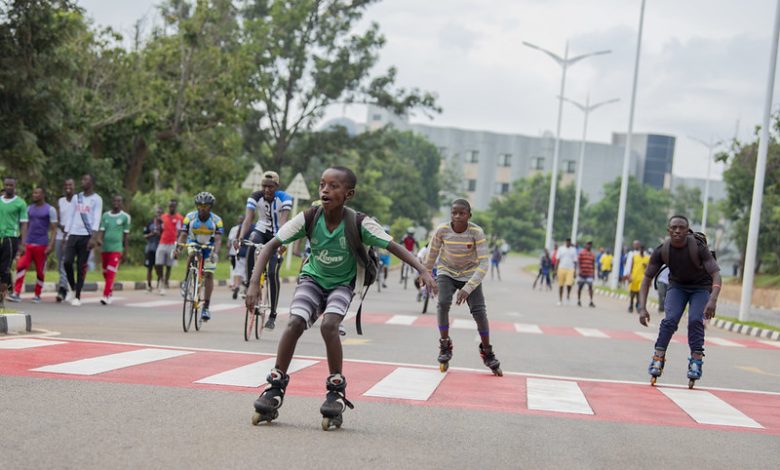
Similarly, temporary events can reclaim streets from cars and spark conversations about more permanent solutions. Addis Ababa and Kigali, for example, host monthly car-free days, turning streets into pedestrian zones filled with cyclists, skateboarders, and community events. These events not only encourage more sustainable modes of transport but also demonstrate the social potential of reclaiming car-dominated streets.
Greening the Streets and Expanding Green Spaces
No 15-minute city is complete without access to quality green spaces. Green spaces are essential for both physical and mental wellbeing and offer a place for social activities while improving air quality, reducing heat, and enhancing biodiversity. Cities can create these spaces by transforming disused plots or upgrading underutilised areas. Buenos Aires turned a former landfill into a wetland nature reserve, and New York City’s GreenThumb initiative has transformed over 500 abandoned lots into community gardens.
Neighbourhoods can benefit from planting street trees, creating parklets, and converting parking spaces into green areas. Large-scale efforts, like Singapore’s One Million Trees project or Melbourne’s urban forest initiative, show how cities can improve environmental resilience while making streets more attractive and enjoyable for residents. Moreover, by engaging local communities in the design and upkeep of green spaces, cities can ensure these areas meet specific neighbourhood needs, such as playgrounds for young families or parks designed for elderly residents, as seen in Ottawa.
Design Streets for Active Travel by All Ages and Abilities
To truly prioritize people, cities must redesign streets to support active modes of transport like walking and cycling. Streets should be accessible, safe, and pleasant for everyone, from young children to the elderly. This requires wider sidewalks, protected bike lanes, reduced speed limits, and better lighting. Most existing infrastructure caters to car drivers, but cities like Paris, Seattle, and Bogotá are flipping the script. Paris is creating bike lanes on every street as part of its commitment to becoming a 15-minute city by 2024, while Seattle’s Stay Healthy Streets program made temporary pandemic-era cycling infrastructure permanent.
As cities expand their walking and cycling networks, they should focus not just on commuter routes but also on neighbourhood streets that connect people to local jobs, services, and amenities. By building well-connected, high-quality pedestrian and cycling infrastructure, cities can encourage more people to leave their cars behind and embrace active travel.
Innovative Ideas to Support Walking and Cycling
To encourage cycling and walking at the neighbourhood level, cities need to make it easy and convenient. Expanding bike-share programs to underserved areas and creating incentives for using e-bikes can help bridge gaps in accessibility. New Orleans’ BlueBikes program, for instance, provides low-cost bike-share options in high-poverty neighbourhoods, making cycling an affordable and practical option.
For families, initiatives like school streets—which limit vehicle traffic during drop-off and pick-up times—can make walking or cycling to school a safer and more attractive choice. Bogotá’s pilot project around childcare centres in low-income districts showcases how redesigning streets for children can benefit entire communities, with traffic calming measures, pop-up parks, and child-friendly infrastructure.
Partnering with Local Businesses for Sustainable Mobility
Businesses play a crucial role in supporting the transition to people-centred mobility. Cities can encourage employers to provide facilities for cyclists, such as bike racks, showers, and changing rooms. Gurugram, India, replaced car parking spaces with secure bike parking as part of a successful pilot. Supporting businesses that cater to cyclists—bike repair shops, training centres, or bike tour operators—can also drive economic growth and promote sustainable transport.
Innovative programs like Berlin’s cargo bike initiative and Lima’s locally manufactured bicycles further demonstrate how cities can support greener transport options. Reducing vehicle traffic through cargo bike use, as seen in many European cities, makes streets safer and more appealing for pedestrians and cyclists alike.
Conclusion: Paving the Way for a People-First Future
The 15-minute city is more than just a vision for sustainable urban development—it’s a roadmap for creating cities that work for everyone. By redesigning streets and public spaces to prioritize people over cars, cities can foster healthier, more connected communities. From expanding green spaces and promoting active travel to engaging residents and supporting local businesses, the journey to a people-centred city is full of opportunities for creativity and innovation.
The world’s leading cities are already showing the way. Now is the time for others to follow, transforming urban spaces into thriving, inclusive environments where people of all ages and abilities can live, work, and play within just 15 minutes of home.
source :