
What does the blue MSC label mean?
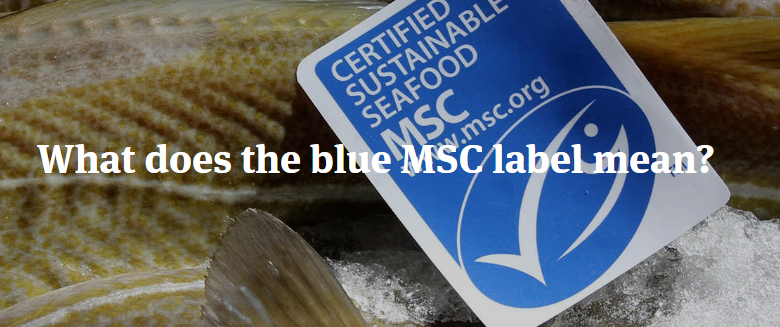
Overfishing is one of the greatest challenges facing our oceans today. In response, the Marine Stewardship Council (MSC) developed its blue ecolabel to encourage and support sustainable fishing practices. But what does this label truly represent, and why does it matter for our planet’s future?
The MSC blue label is only awarded to wild caught fish and seafood from fisheries that meet the rigorous requirements of the MSC Fisheries Standard. This certification ensures that the seafood comes from operations that fish responsibly, protect marine ecosystems, and support the long-term sustainability of fish populations. Throughout the entire supply chain, MSC certified products are kept separate from non-certified products to ensure transparency and traceability, giving consumers confidence that their purchase supports responsible fishing.
Why We Need the MSC Label
Overfishing is an escalating threat to marine life and ecosystems. More than a third of global fish stocks are estimated to be fished at unsustainable levels. As our population continues to grow, so does the demand for seafood, one of the most widely traded food commodities in the world. If we do nothing, the pressure on our oceans will only increase.
Overfishing doesn’t happen in isolation. Climate change is altering the habitats and ecosystems that fish depend on, forcing some species, like mackerel in the North East Atlantic, to migrate as ocean temperatures rise. Harmful fishing subsidies also play a role, driving overcapacity and contributing to the depletion of fish stocks. The MSC is a strong advocate for eliminating these destructive subsidies, promoting a more balanced and sustainable approach to fishing.
However, simply giving up fish isn’t a feasible solution. For millions of people in coastal communities, fishing is a way of life and a vital source of food and income. What we need is a shift toward sustainability. If we manage our fish stocks wisely, they can recover. Namibia’s hake and the Patagonian toothfish are powerful examples of fisheries that have rebounded through responsible management, providing a win-win for both ocean ecosystems and the people who depend on them.
What is Sustainable Seafood?
Sustainable seafood comes from fisheries that ensure the long-term health of fish populations and the marine environment. The MSC Fisheries Standard sets out the criteria that fisheries must meet, focusing on three core principles:
- Only fishing healthy stocks: Fisheries must not overexploit fish populations, ensuring that stocks can reproduce and thrive.
- Being well-managed: Operations must follow best practices to ensure that fish stocks are maintained for future generations.
- Minimizing ecosystem impact: Sustainable fisheries limit harm to other species and habitats, keeping marine ecosystems in balance.
More than 400 fisheries worldwide have met these high standards, proving that it is possible to balance the needs of people and nature.
What Fisheries Can’t Be Certified?
Not all fishing practices can be certified. Fisheries that target amphibians, reptiles, birds, or mammals, or that use destructive methods like explosives or poison, are ineligible for MSC certification. Similarly, fisheries involved in shark finning or forced labor violations within the past two years are out of scope.
The MSC is constantly reviewing its standards to ensure they reflect the latest scientific knowledge and best practices. Some fisheries, while not meeting the MSC standards today, may improve their practices and become eligible for certification in the future.
The Scope of an MSC Certificate
An MSC certificate applies to a fishery’s specific operations, not individual fishers or vessels. This certification covers the entire fishing process, from the method used to the target stock, and it ensures that any seafood carrying the MSC label comes from sustainable sources. Fisheries are subject to regular audits and must continuously improve to maintain their certification.
How Can You Trust the MSC Label?
The MSC’s certification process is independent, science-based, and transparent. Fisheries undergo thorough assessments by third party experts, and NGOs and other stakeholders can contribute to the process. Certification is just the beginning; ongoing surveillance ensures fisheries meet sustainability benchmarks year after year. Failure to improve can result in a suspension of certification until the necessary changes are made.
Thanks to MSC’s rigorous standards, seafood with the blue label is among the best in terms of sustainability. Independent studies, including research published in Current Biology, show that less than 1% of MSC-labelled products are mislabelled, a stark contrast to other seafood labels, where fraud is more common.
What Can You Do to Help End Overfishing?
The solution to overfishing isn’t just about regulation it’s about everyday choices. Consumers hold immense power. By choosing MSC certified seafood, you’re supporting fisheries that are committed to protecting our oceans. Every purchase is a vote for sustainable practices and a step towards healthier seas.
But individual actions alone aren’t enough. Governments must also act by eliminating harmful fishing subsidies and setting scientifically informed quotas to safeguard fish stocks. We know what needs to be done, and it’s up to all of us consumers, fishers, businesses, and policymakers to play our part in ensuring a future where our oceans and the communities that rely on them can thrive.
Let’s turn the tide on overfishing and make sustainable seafood the norm, not the exception. By supporting the MSC, you’re not just choosing responsibly sourced seafood you’re helping to protect one of Earth’s most vital ecosystems for generations to come.
source :
https://www.msc.org/what-we-are-doing/our-approach/what-does-the-blue-msc-label-mean


