Essential methodologies for a successful transition
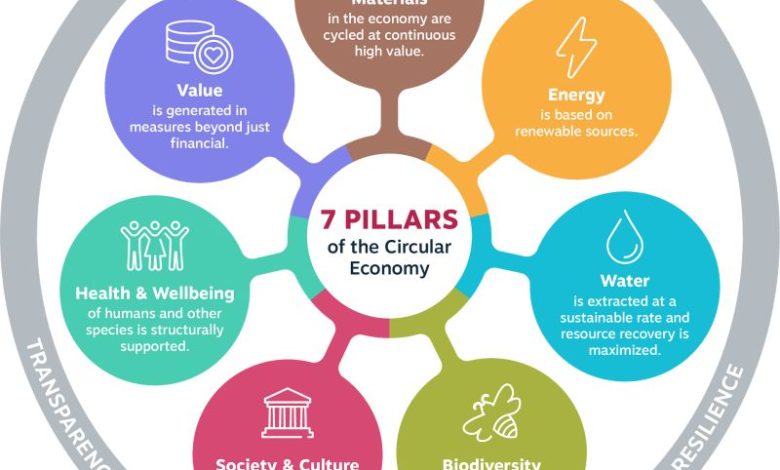
As companies embrace the shift to a circular economy, measuring circular performance has become a critical step. Adopting recognized methodologies allows organizations to assess their circular practices, benchmark progress, and make meaningful improvements. Here’s a look at some of the most widely adopted methodologies that can guide organizations on their journey toward sustainability:
1. Material Circularity Indicator (MCI)
- Developed by: Ellen MacArthur Foundation
- Focus: Evaluates product circularity by examining raw material flows, energy use, and waste generation across the product lifecycle.
- Benefit: The MCI offers detailed insights that allow for easy comparison between products, helping organizations pinpoint opportunities to increase resource efficiency.
2. Circular Transition Indicators (CTI)
- Developed by: World Business Council for Sustainable Development (WBCSD)
- Focus: This self-assessment tool measures circular performance across multiple dimensions of business operations, from material input to process efficiency.
- Benefit: By providing a structured way to continuously assess circular practices, the CTI enables companies to identify specific areas where they can optimize material use and reduce waste.
3. Circulytics
- Developed by: Ellen MacArthur Foundation
- Focus: Measures overall circular economy performance through Enablers (factors supporting circularity, like business models) and Outcomes (achieved results).
- Benefit: Circulytics promotes transparency by showcasing circular achievements and spotlighting development areas. This visibility makes it easier to set actionable goals aligned with long-term circularity objectives.
4. UNI/TS 11820 Standard
- Focus: A comprehensive framework with 71 indicators that cover essential circularity aspects, including material use, energy efficiency, and waste management.
- Benefit: By facilitating third-party assessments, UNI/TS 11820 supports transparent and reliable sustainability reporting, offering stakeholders a clear view of an organization’s circular progress.
5. Madaster Circularity Indicator
- Focus: Emphasizes sustainable material use by valuing reuse and longevity throughout the lifecycle.
- Benefit: This indicator prioritizes the reuse of materials, helping companies minimize waste and keep valuable resources in circulation. The approach is particularly useful in industries with high material input, like construction.
Why Measuring Circular Performance Matters
Each of these methodologies provides distinct insights that support organizations in driving their circular economy initiatives. By quantifying circularity, companies can:
- Track progress over time.
- Align operations with sustainability targets.
- Engage stakeholders with transparent reporting.
- Identify actionable areas for reducing waste and increasing efficiency.
Leveraging these methodologies, companies can more effectively align with circular economy principles, helping to reduce environmental impact while also creating long-term value.
How Do You Measure Your Circular Performance?
What tools or frameworks are you using in your organization to assess and improve circularity? Share your insights or experiences with these methodologies in the comments!
source :