Cities for all ages
How Can Cities Become Places Where People of All Ages Thrive?
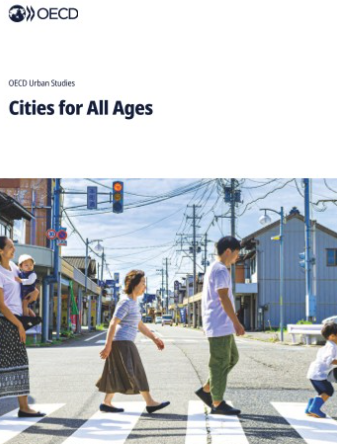
Imagine a city where a toddler’s laughter echoes through leafy parks, teens find opportunities to learn and grow, adults build fulfilling careers, and older neighbors remain active and connected. This isn’t just a dream-it’s a blueprint for the future, and it’s at the heart of the OECD’s new report, “Cities for All Ages.”
As urban populations across the globe grow older, cities stand at a crossroads. Will they become places where everyone-regardless of age-can flourish? Or will they miss the chance to build vibrant, inclusive communities? The OECD’s roadmap shows us how cities can seize this moment and transform into welcoming, dynamic homes for all generations.
The Power of Age-Inclusive Design
Too often, urban planning focuses on one age group at a time. But true age inclusive cities recognize that universal access and intergenerational equity benefit everyone. When we design public spaces, housing, and services with all ages in mind, we create environments that are safer, more accessible, and more enjoyable for everyone-from toddlers in strollers to grandparents with canes.
Unlocking Social and Economic Potential
Age-inclusive cities aren’t just fairer-they’re smarter. By reskilling older adults and engaging youth in the urban economy, cities can address labor shortages, foster innovation, and strengthen social bonds. Imagine a city where a retired engineer mentors young entrepreneurs, or where teens and seniors collaborate on community gardens. These connections spark creativity and resilience.
Building Walkable, Accessible, and Diverse Neighborhoods
Investing in walkable neighborhoods, accessible transport, and diverse housing options doesn’t just make life easier for those with mobility challenges it makes cities healthier, greener, and more vibrant for everyone. When people can walk, cycle, or take public transit to work, school, or the market, communities become more connected and sustainable. Plus, these changes can reduce long term public spending on healthcare and infrastructure.
Tapping Into the Silver Economy
Did you know the so called “silver economy” the economic activity generated by older adults-is booming? From innovative startups to new service industries, older residents are driving urban revitalization, creating jobs, and sparking fresh ideas. Cities that embrace this trend are not just supporting their older citizens-they’re investing in their own future.
Turning Vision into Action: The 9-Step Checklist
The OECD report doesn’t stop at big ideas-it offers a practical 9-step checklist for policymakers, packed with real-world examples. From co-housing projects in Bologna that bring generations together, to Care Blocks in Bogotá that offer integrated support for families and elders, these global best practices show what’s possible when cities put inclusivity at the core.
The Takeaway
Cities that welcome people of all ages aren’t just more just they’re more joyful, resilient, and prosperous. By reimagining urban life through the lens of inclusivity, we can create places where everyone, from the youngest to the oldest, can truly thrive. Let’s build cities for all ages-because when everyone belongs, everyone benefits.
source: