
Climate and disaster risk finance and insurance (CDRFI)
Climate Catastrophes are Here: It’s Time to Finance Our Future, Not Just React to It
The drumbeat of climate change is getting louder, marked by increasingly frequent and brutal disasters. In this urgent reality, climate and disaster risk finance and insurance (CDRFI) isn’t just a niche topic for economists; it’s becoming an absolutely vital tool for national resilience. Yet, despite its clear importance, CDRFI is shockingly underutilized in the very documents meant to guide our climate response: National Adaptation Plans (NAPs) and Nationally Determined Contributions (NDCs).
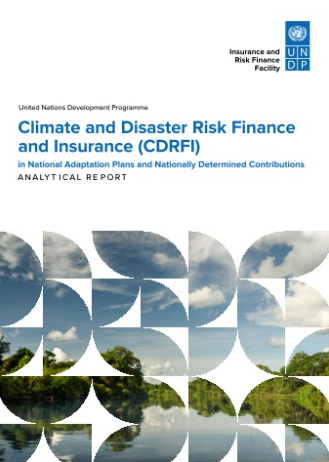
A recent report from the United Nations Development Programme (UNDP) lays bare this critical gap. It reveals that a mere 29% of countries even mention CDRFI in their NAPs and NDCs, and a dismal 8% actually identify it as a strategic priority. This isn’t just an oversight; it’s a massive missed opportunity. We’re failing to leverage powerful financial instruments that can cushion the economic blow of disasters, protect our most vulnerable populations, and unlock crucial investments in building a climate-resilient future, especially in low and middle-income nations.
Shifting from Reaction to Proactive Resilience
Embedding CDRFI directly into national climate strategies offers undeniable benefits. It allows us to move away from a costly and chaotic reactive approach to finance—scrambling for funds after a disaster hits—towards a more stable and strategic anticipatory model. This shift isn’t just about money; it’s about saving lives, livelihoods, and precious development gains.
Beyond proactive funding, CDRFI fosters crucial public-private cooperation in developing sophisticated risk transfer solutions. This means governments, businesses, and communities can work together to share the burden of climate risk. The payoff? Faster, more equitable recovery in the wake of a disaster. Countries like Fiji and the Philippines are already leading the way, demonstrating how integrating insurance-based instruments can significantly bolster both national and community-level climate resilience. They’re showing us that it’s possible to transform vulnerability into strength.
The Path Forward: Leadership, Collaboration, and Action
To truly mainstream CDRFI, we need a concerted effort. This requires bold institutional leadership to champion its integration, robust cross-sector collaboration to develop comprehensive solutions, and targeted technical support to help countries implement these complex financial tools effectively. CDRFI can no longer be a peripheral mention in climate policy; it must be elevated to a central enabler within all adaptation and mitigation planning.
By making this strategic shift, countries won’t just be better prepared for the inevitable impacts of climate change. They’ll also be better positioned to align with the ambitious objectives of the Paris Agreement, building genuine adaptive capacity and ensuring long-term economic stability.
source:


