Compact and Mixed-Use Cities: Dutch cities are known for their compact and mixed-use urban environments
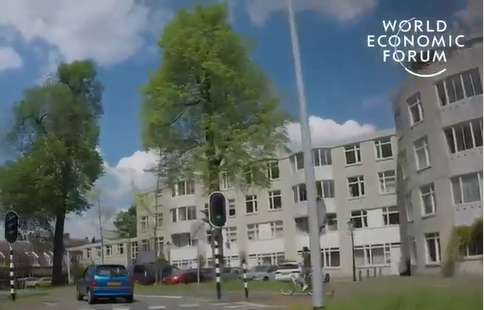
Compact and Mixed-Use Cities: Dutch cities are known for their compact and mixed-use urban environments. The Netherlands emphasizes dense and walkable cities, with a blend of residential, commercial, and recreational areas. This design encourages a sense of community, reduces commuting distances, and promotes sustainable modes of transportation, such as cycling and walking.
Sustainable Transportation: The Netherlands has a well-developed and integrated transportation system that prioritizes sustainable modes of travel. Cities are designed to accommodate cycling as a primary means of transportation, with extensive networks of dedicated bike lanes and parking facilities. Additionally, the country’s efficient public transportation system, including trains, trams, and buses, enables seamless connectivity and reduces reliance on cars.
Water Management and Flood Protection: As a low-lying country with a significant portion below sea level, the Netherlands has mastered water management and flood protection. Their expertise in hydraulic engineering and land reclamation has resulted in sophisticated systems of dikes, canals, and waterways. Studying their approach to water management can provide valuable insights for cities facing similar challenges due to rising sea levels and climate change.
Integration of Green Spaces: The Netherlands places a strong emphasis on incorporating green spaces within urban areas. Parks, gardens, and green corridors are integrated into the urban fabric, providing residents with access to nature, promoting biodiversity, and enhancing the overall quality of life. This focus on green infrastructure contributes to the overall sustainability and resilience of Dutch cities.
Participatory Approach and Collaboration: Dutch urban planning emphasizes citizen participation and collaboration among stakeholders. The government actively involves residents, community groups, and businesses in decision-making processes, encouraging them to contribute ideas and shape the development of their cities. This inclusive approach fosters a sense of ownership, strengthens social cohesion, and ensures that urban planning aligns with the needs and aspirations of the people.
( ideas coined by me and written by Chatgpt )
For further reading do check the studies given below for more understanding of the Dutch planning.
1. The Dutch Planning Experience by Arnold van der Valk
2. Evaluating National Urban Planning: Is Dutch Planning a Success or Failure? by W. K. Altes
3. Historical and critical review of spatial and transport planning in the Netherlands by Pelin Alpkokin.
Source: