
Compliance to transformation
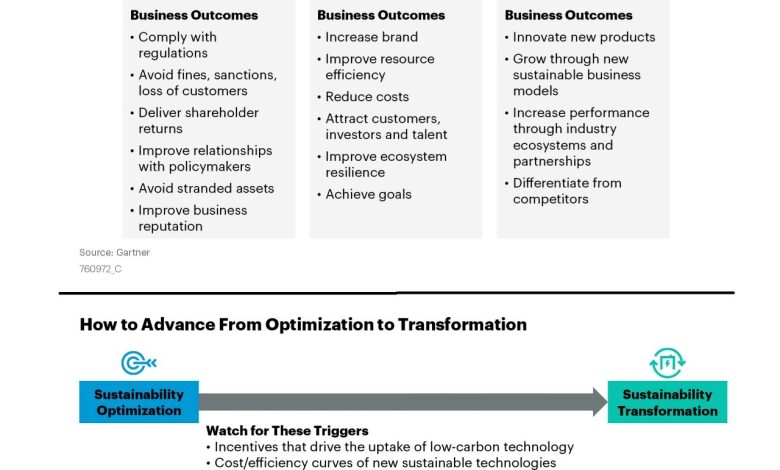
Sustainability is no longer just a regulatory checkbox-it’s evolving into a powerful catalyst for business innovation and growth. The journey from mere compliance to full sustainability transformation marks a company’s strategic maturity and its readiness to thrive in a rapidly changing world.
Stage 1: Compliance – The Foundation of Responsible Business
At the starting line, companies focus on compliance. This means adhering to environmental laws, social regulations, and governance standards to avoid legal penalties and reputational damage. Compliance ensures operational continuity and aligns sustainability efforts with the company’s risk appetite. While this stage is essential, it largely centers on managing risks rather than creating new value.
Stage 2: Sustainability Optimization – Embedding Impact Across Operations
Moving beyond compliance, organizations begin to optimize sustainability by integrating it into everyday business processes. This involves enhancing resource efficiency, cutting emissions, and improving supply chain transparency. Sustainability criteria become part of procurement decisions, production methods, and service delivery. Success here depends on strong governance, reliable data, and cross-functional collaboration, which together build trust with stakeholders and demonstrate measurable progress.
Stage 3: Transformation – Sustainability as a Growth Engine
The final and most ambitious stage is transformation. Here, sustainability is no longer a side project but a core business driver. Companies innovate by developing low-carbon products, embracing circular economy principles, and fostering social inclusion. Leadership from the CEO and board is crucial to embed sustainability deeply into corporate strategy, investment decisions, and governance frameworks. This stage unlocks new markets, fuels long-term value creation, and positions the company as a leader in a sustainable economy.
Navigating Change: The Need for Agility and Strategic Ambition
Advancing through these stages requires constant vigilance. Companies must monitor evolving regulations, investor expectations, and shifting consumer values. The ability to adapt strategy in response to emerging risks and opportunities is vital. Sustainability ambitions should be bold yet flexible, allowing businesses to recalibrate as markets and societal priorities evolve.
Unlocking Competitive Advantage Through Sustainability Integration
To truly leverage sustainability as a strategic growth lever, organizations need disciplined execution, clear accountability, and investments in advanced technology and data systems. Those that successfully embed sustainability into their core operations not only enhance resilience but also gain access to new capital sources and competitive advantages in an increasingly eco-conscious economy.
Why This Matters
Sustainability is no longer optional-it’s a business imperative. Companies that move beyond compliance to embed sustainability deeply into their strategy and operations will be the ones that thrive in the future. By transforming sustainability from a risk management issue into a growth opportunity, businesses can drive innovation, build stronger stakeholder relationships, and contribute meaningfully to a healthier planet.


