
Harnessing the ocean for carbon capture
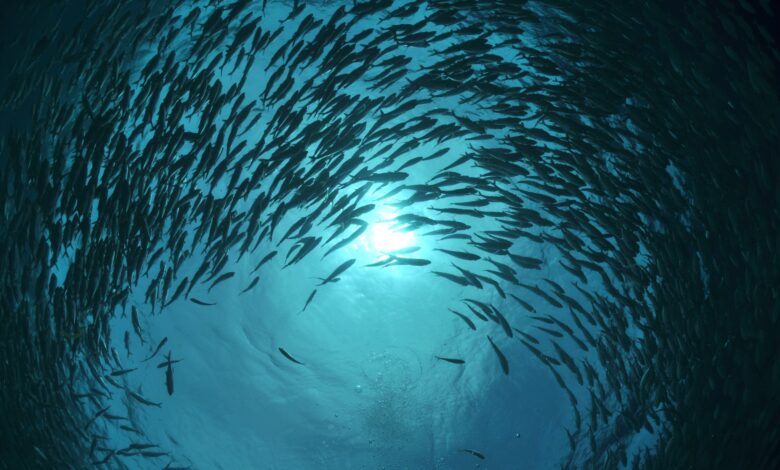
The vast, blue expanse of our oceans has always been our silent protector, absorbing a staggering 30% of human-made carbon dioxide. But as COP30 in Brazil recently reminded us, the silence is breaking. With global delegates failing to agree on fossil-fuel cuts, the math is simple and sobering: reducing emissions is no longer enough. To stabilize the climate, we have to start clawing carbon back out of the environment. The frontier of this battle isn’t just in the air it’s in the water.
The Chemistry of Hope: Direct Ocean Capture
Traditional carbon removal often focuses on giant fans sucking CO2 from the sky. However, projects like SeaCURE (UK) and companies like Captura (California) and SeaO₂ (Netherlands) are betting on a more elegant solution: Direct Ocean Capture (DOC).
The process relies on a natural law of equilibrium. Think of the ocean and atmosphere like two connected chambers; when you lower the carbon levels in the water, the ocean naturally “inhales” more from the air to balance itself out.
How does it work without harming the delicate marine chemistry?
- Extraction: Using electrodialysis, seawater is momentarily acidified to turn dissolved carbon into CO2 gas.
- Capture: The gas is trapped in tanks, ready to be buried or recycled.
- Neutralization: The water is treated with a base (sodium hydroxide) to restore its natural pH.
- Release: The “cleansed” water returns to the sea, ready to act as a carbon sponge once again.
Beyond the Lab: The Social License
The technical hurdles are high, but the “social license” might be higher. As Paul Halloran of the University of Exeter points out, people have a deep emotional connection to the sea. Unlike a remote factory, an ocean intervention feels personal.
Companies like SeaO₂ are learning that transparency is as vital as chemistry. Moving their operations from remote coastlines to the bustling Hague requires more than just engineering it requires town halls, public Q&As, and building genuine trust. We aren’t just managing molecules; we’re managing a global commons.
Turning Carbon into Currency
For this technology to scale to the necessary 10 billion tonnes per year, it has to make financial sense. This is where the “Carbon Credit” comes in.
- Verification: Working with firms like Isometric, DOC companies are creating rigorous protocols to ensure every gram of carbon removed is accounted for.
- Storage: The captured gas isn’t just floating around. Partners like Paebbl turn it into concrete, while the Northern Lights project pumps it into permanent geological storage beneath the Norwegian seafloor.
- Policy Power: In the Netherlands, the SDE++ scheme provides the financial bridge needed to lower costs until the market can sustain itself.
The Verdict
The ocean is currently suffering choked by “dead zones” and rising acidity. Direct Ocean Capture offers a way to flip the script, turning the sea from a victim of climate change into its most powerful cure. By combining rigorous science with radical transparency, we might just give the planet the breathing room it desperately needs.
source:
https://backtoblueinitiative.com/harnessing-the-ocean-for-carbon-capture/


