How much are multilateral development banks investing in sustainable transport?
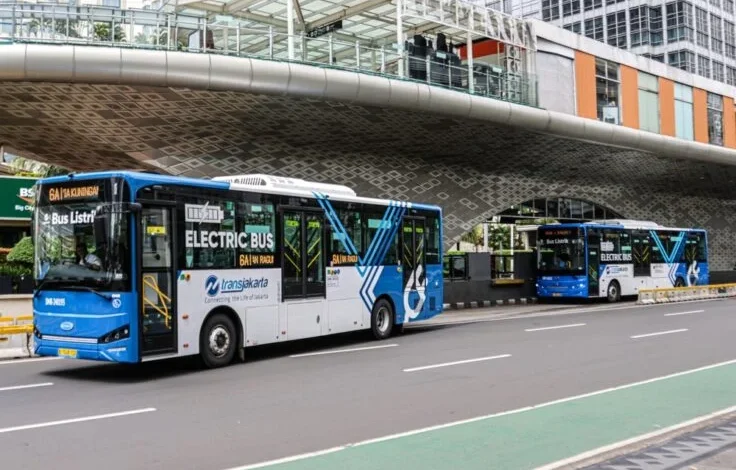
The $175 Billion Commitment: A Decadal Shift
In 2012, during the Rio+20 summit, eight major MDBs made a landmark pledge: to mobilize $175 billion USD in loans and grants for sustainable transport by 2022. This commitment recognized that transport is a leading source of greenhouse gas emissions and that traditional infrastructure often prioritizes personal vehicles over equitable access.
Since then, this initiative has been reinforced by international frameworks like the Paris Agreement and Sustainable Development Goals (SDGs), pushing banks to align their portfolios with climate finance and inclusive development.
Methodology: Tracking the Money Trail
To evaluate whether these banks are meeting their promises, ITDP analyzed investment data from 2013 through 2024 using the OECD DAC Creditor Reporting System. The goal was to determine if financing is truly shifting toward systems that reduce emissions.
The Analytical Framework
The research utilized a data-driven approach to isolate urban passenger transport:
- Keyword Filtering: A Python script identified projects related to urban passenger movement.
- Exclusion Criteria: Projects focused on aviation, maritime shipping, long-distance freight, tourism, or rural roads were removed to focus strictly on city-level mobility.
- Sustainability Classification: A project was tagged as “sustainable” if its description included components like cycling infrastructure, public transit, or electrification.
Key Challenges in Assessment
While the data provides a clear trendline, several nuances affect the findings:
- Broad Definitions: If a project has even one “sustainable” component (e.g., a highway project that includes a small bike lane), it is classified as sustainable. This may lead to an overestimation of the actual “green” capital being deployed.
- Quality vs. Quantity: Data tracking measures the volume of dollars spent, but it cannot fully capture the quality of implementation or the real-world impact on passenger access.
Why These Investments Matter
MDBs do more than just provide cash; they set the global standard for infrastructure. Their investments dictate whether a city will be locked into a carbon-heavy, car-centric future or a multimodal, low-carbon reality.
- Environmental Impact: Shifting from private cars to electrified public transit and active transport (walking/cycling) is essential to meet net-zero targets.
- Social Equity: Sustainable systems prioritize the “transport poor” those who rely on affordable, safe public options to reach jobs and education.
- Economic Efficiency: Reduced congestion and improved air quality provide massive long-term dividends for developing economies.
As we move beyond the initial 2022 target, the focus must shift from “total dollars committed” to the integrity of the investments. Ensuring that funding flows toward integrated, high-quality urban networks rather than just road expansion will be the true measure of success for MDBs in the coming decade.