How to microplastics effect the ecosystems?
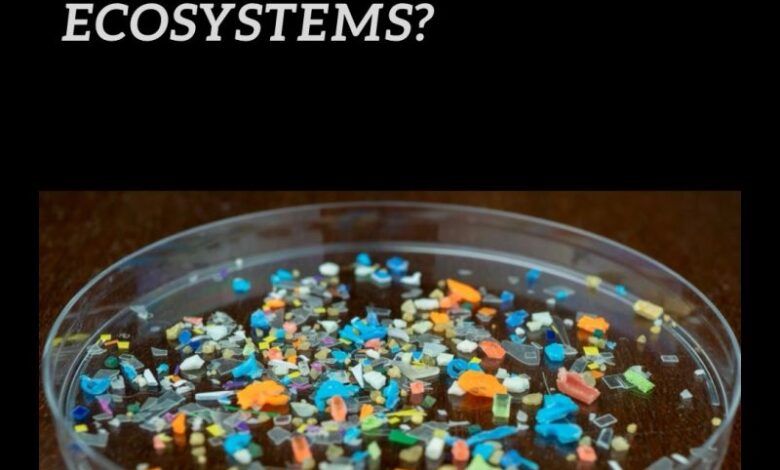
The Great Infiltration: The Invisible Legacy of the Plastic Age
We are living in the Plastisphere. From the snow on the peaks of Everest to the crushing darkness of the Mariana Trench, a shimmering, synthetic dust has settled into every crevice of the natural world. These are not just “scraps”; they are microscopic delivery systems for toxins, and they have rewritten the rules of our ecosystems.
The Silent Suffocation of the Seas
The ocean was our first warning. What began as discarded nets and bottles has ground down into a “plastic soup” that marine life cannot escape.
- The Biological Toll: From microscopic plankton to the leviathans of the deep, creatures are mistaking polymers for protein. This leads to a tragic “false fullness” where animals starve with stomachs full of grit.
- The Trojan Horse: Microplastics act as magnets for heavy metals and long-banned chemicals like PCBs. When a fish eats plastic, it isn’t just consuming debris; it is swallowing a concentrated dose of industrial poison that eventually climbs the food chain straight to our dinner plates.
The Poisoning of the Pedosphere (Soil)
We often forget that the ground beneath our feet is a living, breathing skin. Microplastics enter our farmlands through treated wastewater and “plastic mulch” used in industrial agriculture.
- Structural Decay: These particles change how soil holds water and how roots navigate the earth.
- The Microbial Crisis: By altering soil chemistry, we are stifling the microbial diversity that makes life possible. When the soil loses its health, the crop loses its nutrition, and the cycle of life begins to fray at its very foundation.
The Air We Share: A Synthetic Atmosphere
Perhaps most unsettling is that the very air we breathe has become a conveyor belt for synthetic fibers. Every time we wash a polyester shirt or drive a car (shedding tire particles), we contribute to an atmospheric haze of plastic.
- Long-Range Transport: These particles are so light they can travel across continents on the wind, settling in “pristine” wilderness areas that have never seen a factory.
- Intimate Impact: We are no longer just observers of this crisis; we are participants. We inhale tens of thousands of these particles every year, the long-term health effects of which we are only beginning to understand.
Can We Unplug the Machine?
The “Hidden Threat” is no longer hidden it is foundational. Solving the microplastic crisis requires more than a better recycling bin; it requires a fundamental divorce from our dependency on disposable polymers. We are currently “decorating” our planet with a material that lasts for centuries but is used for seconds.