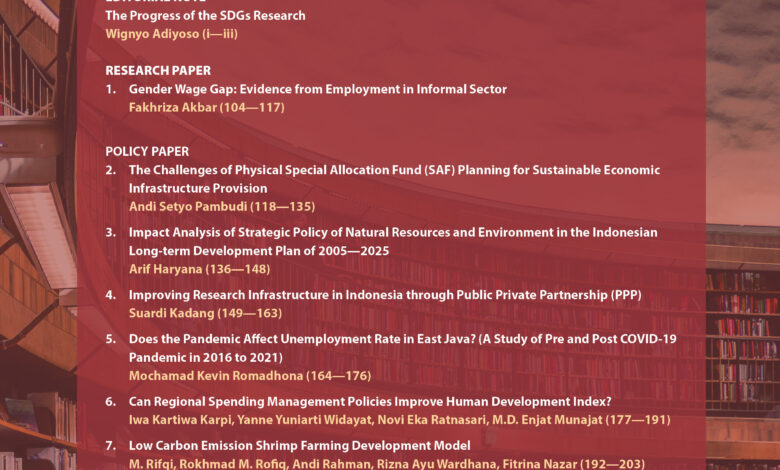
Low carbon emission shrimp farming development model
Overview: The Strategic Shift in Indonesian Aquaculture
As a dominant player in the global export market, Indonesia’s shrimp industry faces a dual challenge: maintaining high productivity while meeting international sustainability standards. The transition toward a Low-Carbon Emission (LCE) model is no longer optional; it is a prerequisite for long-term competitiveness and ecological resilience.
1. Understanding Carbon Dynamics in Shrimp Ponds
To manage emissions, we must first categorize the flow of carbon within the aquaculture ecosystem. This involves balancing Sources (emissions) against Sinks (sequestration).
- Potential Carbon Sources (Emissions):
- Energy Consumption: High-intensity aerators and pumping systems powered by fossil-fuel grids.
- Feed Decomposition: Unconsumed feed and metabolic waste (feces) release methane (CH4) and carbon dioxide (CO2) as they decompose in the pond bottom.
- Land Conversion: Initial clearing of mangroves or wetlands for pond construction releases massive amounts of “Blue Carbon” stored in the soil.
- Potential Carbon Sinks (Absorption):
- Phytoplankton Cycles: Microalgae in the water column absorb (CO2) through photosynthesis.
- Sediment Sequestration: Properly managed pond bottoms can trap organic carbon.
- Peripheral Vegetation: Mangrove buffers surrounding the ponds act as high-capacity carbon absorbers.
2. The Four Pillars of the LCE Development Model
Minimizing the carbon footprint requires an integrated engineering and management approach:
A. Spatial Structuring & Mangrove Integration
Integrating “Silvofishery” models ensures that for every hectare of pond, a specific ratio of mangrove forest is maintained. This creates a natural biofilter and a robust carbon sink.
B. Advanced Aquaculture Engineering
- Precision Aeration: Switching to high-efficiency, sensor-based aerators that only operate when dissolved oxygen (DO) levels are low, reducing electricity waste.
- Lined Ponds (HDPE): Using High-Density Polyethylene liners prevents soil erosion and makes waste removal more efficient, reducing anaerobic decomposition at the pond bottom.
C. Good Aquaculture Practices (GAP)
- Feed Management: Utilizing high-digestibility feed and automatic feeders to minimize waste.
- Waste Treatment (WWTP): Implementing Wastewater Treatment Plants to capture organic solids before water is discharged back into the environment.
D. Transition to Renewable Energy
Integrating solar PV panels or wind turbines to power farm infrastructure significantly lowers the “Scope 2” emissions associated with electricity use.
3. Strategic Recommendations for Implementation
For this model to be successful at scale, the following technical and social steps are required:
- Comprehensive Land Suitability Assessment: Each potential area must undergo an analysis of environmental carrying capacity (ECC) and current carbon stock levels before development begins.
- Carbon Dynamics Mapping: Establishing a baseline for carbon emissions per ton of shrimp produced to allow for “Carbon Labeling” in export markets.
- The “Pilot Farm” Framework: Developing state-funded pilot areas to demonstrate to local farmers that LCE practices do not decrease yield, but rather improve biosecurity and long-term profitability.
- Capacity Building: Training programs focused on the link between carbon management and water quality, helping farmers view sustainability as a tool for better harvests.
The future of Indonesian shrimp farming lies in efficiency, not just intensity. By balancing carbon dynamics through smart engineering and ecological preservation, Indonesia can secure its position as a leader in the global “Blue Economy,” ensuring that economic growth does not come at the cost of the climate.
source:
https://journal.pusbindiklatren.bappenas.go.id/lib/jisdep/article/view/307