Renewable energy
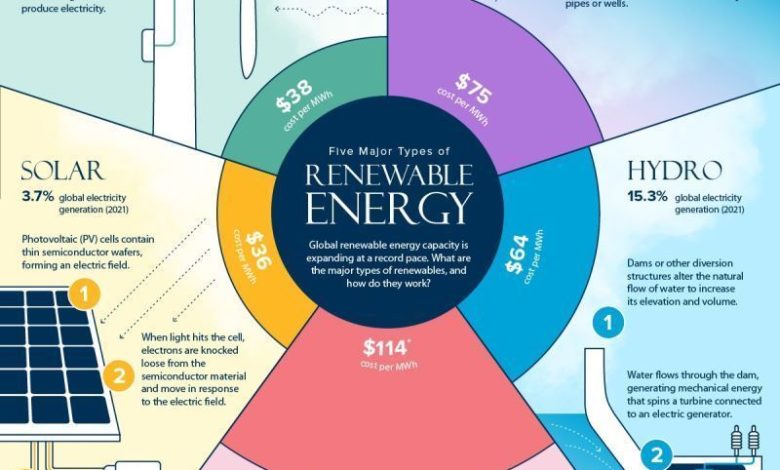
The global offshore wind energy market is poised for significant expansion, projected to reach $144,587.3 million by 2030, with a compound annual growth rate (CAGR) of 5.7% from 2024 to 2030. This growth underscores the increasing global commitment to renewable energy solutions as countries strive to transition away from fossil fuels and mitigate the impacts of climate change.
Why Offshore Wind?
Offshore wind farms offer a compelling alternative to onshore wind energy due to their efficiency and reliability. The vast open seas provide stronger and more consistent wind currents, free from the disruptions of land-based obstructions such as buildings and mountains. This results in a more stable and higher energy output, making offshore wind a crucial component in the global shift toward sustainable energy.
Key Growth Drivers
Several factors are driving the rapid expansion of offshore wind energy:
- Climate Action and Decarbonization
- As nations push for net-zero emissions, offshore wind plays a pivotal role in reducing carbon footprints and diversifying energy sources. It is an essential solution for achieving long-term sustainability goals and mitigating climate change effects.
- Government Policies and Incentives
- Many governments are prioritizing offshore wind through financial support mechanisms such as feed-in tariffs, tax credits, and investment subsidies. Additionally, streamlined permitting and regulatory frameworks are expediting project implementation.
- Technological Advancements
- Innovations in turbine design, floating platforms, and advanced grid integration techniques are significantly enhancing efficiency and cost-effectiveness. These advancements are making offshore wind more accessible and economically viable for widespread adoption.
Emerging Trends Shaping the Future of Offshore Wind
- Larger and More Efficient Turbines
- The next generation of offshore wind turbines is designed to maximize energy capture. With rotor diameters exceeding 200 meters and capacities surpassing 15 MW per unit, these turbines are revolutionizing offshore wind potential.
- Floating Offshore Wind Technology
- Traditional offshore wind farms are built on fixed foundations in shallow waters, but floating offshore wind technology is expanding possibilities by enabling wind farms in deeper waters. This innovation is unlocking new regions for clean energy generation, especially in countries with deep coastal shelves.
- Grid Modernization and Energy Storage
- With increasing offshore wind installations, improvements in grid infrastructure and energy storage systems are essential for ensuring stable power distribution and maximizing efficiency.
Offshore wind energy is no longer just an emerging sector it is a fundamental pillar of the clean energy revolution. With supportive policies, cutting-edge technology, and global momentum for sustainability, offshore wind is set to play a transformative role in shaping the future of energy. As investments continue to rise, this sector holds immense potential for powering a greener, more resilient world.
source :