STREETS AS PUBLIC SPACES AND DRIVERS OF URBAN PROSPERITY
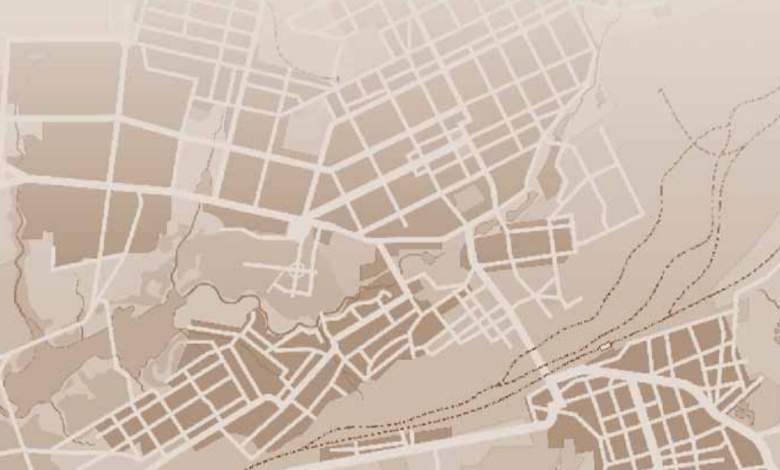
Throughout history, successful urban development has relied on organized physical layouts and interconnected street systems. Since ancient times, streets have played a critical role in cities by connecting spaces, people, and goods, facilitating commerce, social interaction, and mobility. Streets, plazas, and designed public spaces have helped define the cultural, social, economic, and political functions of cities. They were—and continue to be—the first element to distinguish a chaotic, unplanned settlement from a well-established town or city.
However, in modern times, streets and the concept of public space are often overlooked. When planning cities, the multiple functions of streets are poorly integrated and, in the worst cases, neglected. Streets are frequently reduced to mere links in a road network, valued only for their ability to connect destinations. This narrow view treats streets primarily as conduits for movement, sidelining their other essential roles, which are dismissed as secondary or incidental. As a result, streets have gradually lost their multifunctional character as vibrant public spaces.
Today, there is a growing movement to reclaim streets as public spaces in cities around the world. Communities are advocating for streets that serve their full potential—spaces for social engagement, cultural expression, and inclusive use. Street planning and design must once again prioritize the needs of all users, regardless of age, gender, economic status, or mode of transportation. By restoring the multifunctionality of streets, cities can foster more livable, equitable, and dynamic urban environments.
Sumber: