The compact city scenario electrified
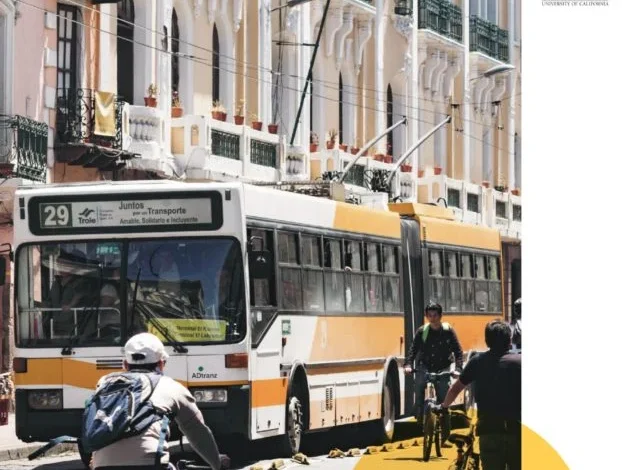
A Race Against Time: Why the Cities of Tomorrow Must Be Compact, Connected, and Electric
The signs are all around us parched landscapes, record heatwaves, flooded cities, displaced families, collapsing biodiversity. Climate change is no longer a distant threat. It’s a present crisis, upending ecosystems and economies alike. And one of its greatest drivers is right beneath our wheels: the way we move.
Transportation is one of the fastest-growing sources of greenhouse gas emissions globally. And while governments everywhere are rightly investing in electric vehicles (EVs), the reality is clear electrification alone won’t save us. The world must move faster, and we must move smarter.
That’s the wake-up call sounded by a new study, “The Compact City Scenario Electrified,” by ITDP and the University of California, Davis. Backed by the Climate Works Foundation, the research offers not just a diagnosis but a solution. And it starts with rethinking our cities.
The core message is bold and unambiguous: Only a complete shift toward compact, mixed-use cities built around walking, cycling, and public transit combined with electrification can avoid the most catastrophic impacts of climate change. In other words, we can’t wait for every car to go electric. We need fewer car trips, less sprawl, and better options for how we get around and we need them now.
The Compact City: A Vision for Today, Not Just Tomorrow
The Compact City model isn’t a utopian dream. It’s a practical, evidence-based blueprint for real change. Picture neighborhoods where housing is close to jobs, schools, and shops; where tree lined bike lanes replace gridlock; where buses and trains are clean, frequent, and reliable. Picture cities where children can safely walk to school, where elderly citizens navigate streets with ease, and where public spaces hum with life instead of engines. This isn’t just about climate it’s about health, equity, and quality of life.
The study finds that prioritizing walking, cycling, and public transit over the next decade could immediately cut demand for car travel, buying the precious time needed for EV technologies to become more sustainable, affordable, and scalable. And when these two strategies mode shift and electrification are combined, the result is powerful: urban transport emissions can fall to levels aligned with limiting global warming to below 2°C and possibly even under 1.5°C.
A Global Vision Grounded in Local Realities
What makes this work even more compelling is how it adapts to the diverse realities of the world. ITDP has expanded the original global report into a series of country-level briefs tailored roadmaps for the future of urban mobility in:
- Africa: Where urbanization is accelerating and the opportunity to leapfrog to low-carbon transport is immense.
- Brazil: Where dense cities can pivot toward inclusive, accessible public transport.
- China: Already a global leader in EVs, now exploring how to balance tech with people-centric design.
- Egypt: Where cities can combat congestion and pollution with better infrastructure and compact growth.
- India: With enormous potential for mode shift through public investment in walking, cycling, and metro systems.
- Indonesia: Where island cities face unique climate risks and can benefit from sustainable transport redesigns.
- Mexico: Where high urbanization and strong transit traditions provide fertile ground for transformation.
- United States: Where car dependency must be challenged through zoning reform and transit reinvestment.
Each of these country profiles offers tailored scenarios, regional data, and practical pathways forward showing that while every place has its own story, the destination must be shared.
The Clock is Ticking and the Opportunity is Now
This moment is a tipping point. If we double down on sprawl, car-centric planning, and siloed policies, we risk locking in decades of emissions. But if we choose compact, electrified cities today, we set the stage for a safer, more livable future.
The world doesn’t need to choose between technology and urban planning. It needs both. It needs streets that work for people, cities that breathe, and systems that prioritize access over speed, equity over profit, and planet over pavement. This isn’t just a transport revolution. It’s a human one. And it’s already within our reach.
source:
https://itdp.org/publication/the-compact-city-scenario-electrified/