What makes good public transport? three qualities every city needs
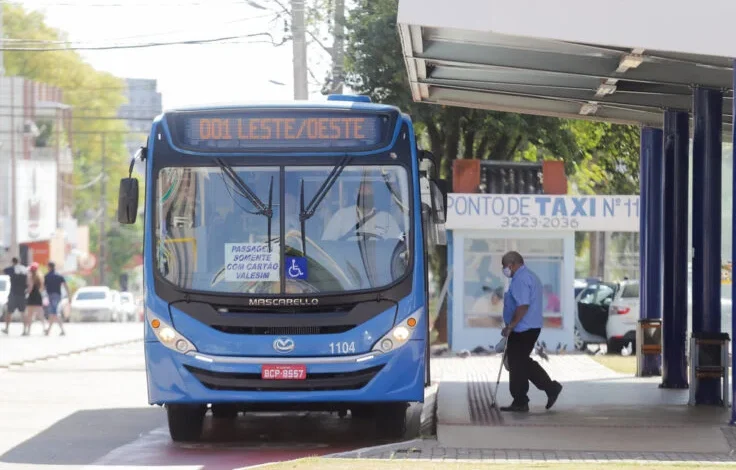
The Pulse of a City, Why We Must Demand Better Public Transport
For too long, we have viewed public transport as a “last resort” for those without cars. We have treated buses and trains as mere metal boxes moving through traffic. But it is time for a paradigm shift.
Public transport is the foundational architecture of human opportunity. When it works, it is an invisible engine of equity, a shield against climate chaos, and a bridge to a better life. When it fails, the city stops breathing.
To move a city forward, a system needs more than just tracks and tires; it needs three non-negotiable qualities: Reliability, Cleanliness, and Radical Inclusion.
1. The Power of “When”: Service as a Promise
A transport system is only as good as the trust it builds. If a bus is ten minutes late, a parent misses a daycare pickup. If a train is infrequent, a worker loses an hour of their life every day.
“Good Service” is a pact between a city and its citizens. To be the backbone of urban life, transport must be:
- Frequent: High-frequency service (every few minutes) means you don’t plan your life around a schedule; the system plans itself around you.
- Prioritized: Dedicated lanes and “intelligent” traffic signals ensure that 50 people in a bus aren’t held hostage by 50 people in individual cars.
- Integrated: A single ticket and a seamless transfer should be the standard. Whether you are on a metro or a shared bike, the journey should feel like one cohesive thought.
2. Breathing Room: The Zero-Emission Mandate
Cities account for over 70% of global greenhouse gas emissions. In this context, a diesel-belching bus is a contradiction. To be “good,” public transport must be a solution to the climate crisis, not a contributor.
The transition to Zero-Emission Fleets is about more than just “going green.” It is a public health intervention.
- Silent Cities: Electric buses don’t just cut carbon; they cut noise pollution, making our streets places for conversation again.
- Clean Air: By electrifying the “last mile,” we reduce the asthma rates and respiratory illnesses that plague our most congested neighborhoods.
- Future-Proofing: From Shenzhen to Santiago, the data is in: electric fleets are cheaper to maintain and more efficient to run. Technology alone won’t save us, but clean technology integrated into smart land-use planning will.
3. Radical Inclusion: A System for the “Every”
A transport system that only works for the able-bodied or the wealthy isn’t “public” it’s a gated community on wheels. True quality is measured by how we treat the most vulnerable.
Radical Inclusion means designing for the “extreme” user:
- The Caregiver: Can a parent with a stroller navigate the station without a broken elevator?
- The Night-Shift Worker: Does the service run at 3:00 AM for the people who keep the city running while we sleep?
- The Low-Income Commuter: Is the fare a gateway to opportunity or a barrier to a paycheck?
Universal design level boarding, tactile paving, and multilingual signage isn’t a “bonus feature.” It is the moral baseline of urban planning. When we design for a person in a wheelchair or a child, we accidentally build a system that works better for everyone.
The Shared Vision
Public transport is more than concrete and cables. It is the social equalizer that determines who gets to participate in the economy and who is left behind. As we face mounting climate threats and widening inequality, we must stop asking “Can we afford to build this?” and start asking “Can we afford not to?”
The future of our cities isn’t just about how fast we can move; it’s about how many people we can bring along for the ride.
source:
https://itdp.org/2026/03/04/what-makes-good-public-transport-three-qualities-every-city-needs/