The Energy Mix Needed for Net Zero
The Energy Mix Needed for Net Zero
Clean. Renewable. Green.
Not the same — and the difference matters for Net Zero.
The energy transition often gets reduced to buzzwords.
“Clean energy.”
“Renewable energy.”
“Green energy.”
Yet each category plays a distinct role in the Net Zero pathway — and misunderstanding them slows progress.
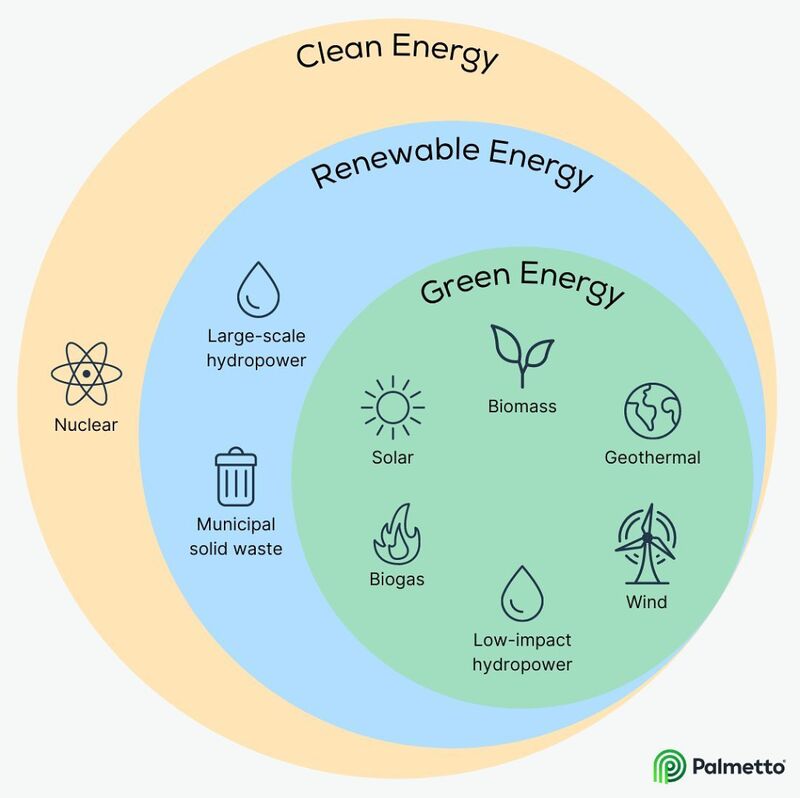
This visual breaks it down with clarity:
💡 Clean Energy
Low or zero emissions, even if not renewable.
Examples include nuclear and waste-to-energy — powerful tools for rapid carbon reduction and short-term climate targets.
🔄 Renewable Energy
Naturally replenished — but not always low-impact.
Large hydropower and municipal waste fall under this category, though their ecological footprint varies significantly.
🌱 Green Energy
The gold standard: renewable and low-impact.
Solar, wind, geothermal, biomass, biogas, and low-impact hydro form the cornerstone of a sustainable and resilient long-term Net Zero system.
Why this distinction matters:
✔ Net Zero depends on the right balance, not just more renewables.
✔ Clean energy supports fast grid decarbonization.
✔ Green energy protects ecosystems while delivering sustainability.
✔ Renewables expand diversity and strengthen energy resilience.
The race to Net Zero isn’t a single-technology sprint.
It’s a coordinated upgrade of the entire energy ecosystem — using every solution with precision and purpose.
The question isn’t “Which is best?”
The real question is: How can all three categories work together to cut emissions at speed and scale?
Energy transitions accelerate when complexity becomes understandable.
This is clarity.