
What is biochar?
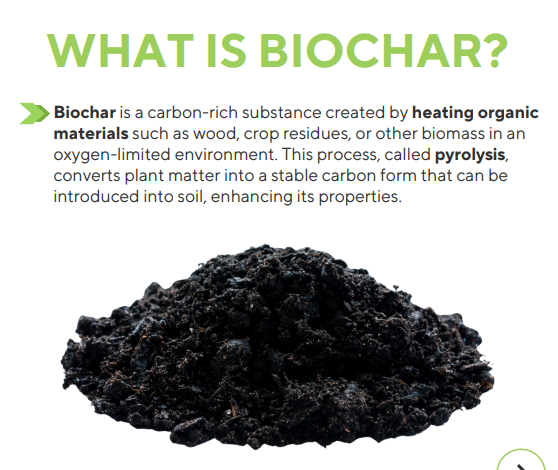
In the urgent battle against climate change, we often seek innovative solutions that go beyond the conventional. Biochar is one such groundbreaking tool that not only offers a lifeline to our environment but also presents an opportunity for industries, farmers, and communities to play a pivotal role in shaping a sustainable future. If you haven’t yet considered the potential of biochar, it’s time to take a closer look at how this natural wonder is transforming the way we think about soil health, carbon capture, and environmental restoration.
What is Biochar?
At its core, biochar is a form of charcoal produced by heating organic material such as agricultural waste, wood, or even manure through a process called pyrolysis. This process locks carbon into a stable, solid form that can remain in the soil for centuries, effectively storing carbon that would otherwise contribute to atmospheric CO2 levels. But biochar’s impact goes far beyond just carbon capture.
Biochar: A Soil Supercharger
One of the most exciting aspects of biochar is its ability to enhance soil health. Think of it as a natural soil amendment that works wonders on depleted or nutrient-poor soils. By improving soil structure, biochar increases its water retention capacity, promotes microbial life, and helps retain essential nutrients. This means healthier crops, better yields, and reduced need for chemical fertilizers leading to more sustainable agricultural practices.
In regions suffering from drought, biochar can act as a game changer. Its water retention ability can improve crop resilience, even in arid conditions, making it a crucial tool for ensuring food security in the face of climate change.
Biochar: A Carbon Sequestration Powerhouse
While we often talk about carbon emissions in the context of fossil fuels, it’s essential to recognize the role of carbon storage in mitigating climate change. Biochar serves as a long-term carbon sink, sequestering carbon for hundreds, if not thousands, of years. When organic matter decomposes naturally, it releases greenhouse gases into the atmosphere. By converting this organic material into biochar, we prevent this release and lock carbon away safely in the ground.
The potential for biochar as a tool in global carbon sequestration is immense. By scaling up production and application, we can not only reduce greenhouse gas concentrations in the atmosphere but also harness a natural solution to balance carbon cycles.
Environmental Remediation: Reversing Damage
Biochar isn’t just for agriculture or carbon capture it’s also a powerful tool for environmental remediation. It can be used to remove toxins and heavy metals from polluted soils and water, helping restore ecosystems that have been damaged by industrial activity, mining, or agricultural runoff. Its porous structure acts like a sponge, absorbing pollutants and preventing them from spreading to nearby environments. This makes biochar a promising solution for cleaning up contaminated sites and restoring ecosystems to health.
The Climate Opportunity We Can’t Ignore
Biochar presents a massive opportunity for anyone looking to get involved in climate action. From smallholder farmers looking to improve their soil to large-scale industries searching for sustainable waste management solutions, biochar offers a versatile, scalable option that directly addresses multiple climate challenges. The adoption of biochar could lead to a new wave of carbon-conscious agriculture, more resilient food systems, and healthier ecosystems.
But the real question is: are we ready to make biochar a cornerstone of climate action? From policy makers to business leaders, everyone has a role to play in scaling up the production and use of biochar. Governments can incentivize biochar use through subsidies or carbon credits, while businesses can invest in biochar as part of their sustainability strategies. With increasing recognition of biochar’s benefits, the momentum is growing, but we need all hands on deck to turn potential into reality.
The Takeaway: It’s Time to Act
Biochar is more than just a climate solution it’s a call to action. It’s an opportunity for individuals, companies, and governments to work together towards a more sustainable, regenerative future. As we strive to combat climate change, biochar offers a clear path forward one that not only captures carbon but also regenerates the very land that sustains us.
So, the question is: are you in? Whether you’re a farmer, entrepreneur, policymaker, or just an advocate for a sustainable future, biochar is an opportunity we can’t afford to ignore. Let’s come together to embrace this powerful tool and make a lasting impact on our planet. The future is in our hands and it starts with biochar.
source:


