Dokumen
What Makes a Sustainable City? A Sampling of Global Case Studies Highlighting Innovative Approaches to Sustainability in Urban Areas
A sustainable city is one that balances economic, social, and environmental factors to provide a high quality of life for its residents while reducing its ecological footprint. Below are key components and innovative approaches from global case studies that highlight what makes a sustainable city:
1. Integrated Urban Planning
- Barcelona, Spain: Barcelona’s “Superblocks” model reimagines public spaces by reducing car traffic and prioritizing pedestrians and cyclists. This initiative has led to lower air pollution, reduced noise, and increased green space.
- Singapore: Known for its long-term urban planning, Singapore integrates land use, transportation, and green infrastructure in its Sustainable Singapore Blueprint. The city aims to create a “City in Nature” with eco-friendly buildings, public transport, and extensive green spaces.
2. Energy Efficiency and Renewable Energy
- Copenhagen, Denmark: Copenhagen is a leader in clean energy, with a target to become the world’s first carbon-neutral capital by 2025. It achieves this through district heating, wind power, and energy-efficient buildings.
- Freiburg, Germany: Freiburg is known for its extensive use of solar energy and energy-efficient homes, such as the Vauban district, where buildings generate more energy than they consume.
3. Green Infrastructure and Biodiversity
- Portland, Oregon, USA: Portland has integrated green infrastructure, including green roofs, urban wetlands, and stormwater management systems, to improve resilience to flooding and enhance urban biodiversity.
- Melbourne, Australia: Melbourne’s Urban Forest Strategy aims to increase tree canopy coverage to mitigate the urban heat island effect, improve air quality, and boost residents’ wellbeing.
4. Water Management and Resilience
- Amsterdam, Netherlands: With its extensive canal system and innovative water management strategies, Amsterdam is a prime example of a city that uses blue-green infrastructure to manage flood risks while improving urban livability.
- Singapore: Singapore’s “Active, Beautiful, Clean Waters” (ABC Waters) program integrates stormwater management with urban design to create sustainable water solutions that improve the city’s resilience to extreme weather.
5. Sustainable Mobility and Public Transport
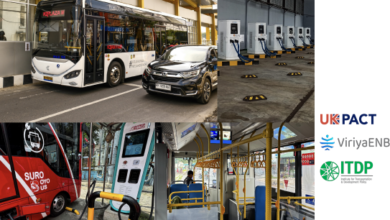
- Curitiba, Brazil: Known for its pioneering Bus Rapid Transit (BRT) system, Curitiba’s focus on efficient public transportation has significantly reduced traffic congestion and pollution.
- Bogotá, Colombia: Bogotá’s Ciclovía initiative, where streets are closed to cars every Sunday, promotes cycling and walking, reducing the city’s carbon footprint and encouraging healthier lifestyles.
6. Circular Economy and Waste Management
- San Francisco, USA: San Francisco has implemented zero-waste goals with robust recycling and composting programs, diverting 80% of waste from landfills.
- Tokyo, Japan: Tokyo’s waste-to-energy program converts waste into energy, reducing landfill use and generating power for the city.
7. Social Inclusion and Equity
- Vienna, Austria: Vienna’s housing policy ensures affordable, high-quality homes for all income groups. The city integrates public housing with urban design to foster social cohesion and environmental sustainability.
- Medellín, Colombia: Medellín’s innovative use of public transport, such as cable cars, connects marginalized neighborhoods to the city center, promoting social inclusion and reducing inequality.
8. Climate Adaptation and Resilience
- Paris, France: Paris’s climate adaptation plan focuses on reducing the impact of heatwaves and flooding by implementing green roofs, urban forests, and cooling spaces.
- Rotterdam, Netherlands: Rotterdam’s Climate Proof initiative prepares the city for sea-level rise through a mix of infrastructure and nature-based solutions, including water plazas and floating structures.
9. Governance and Public Engagement
- Seattle, USA: Seattle’s Sustainability Plan emphasizes community engagement and transparency in decision-making, ensuring that residents have a say in shaping a sustainable future.
- Seoul, South Korea: Seoul’s “Sharing City” initiative promotes sharing economies, from car-sharing services to community gardens, fostering collaboration and reducing resource consumption.
These case studies highlight how cities across the world are adopting diverse strategies to achieve sustainability. The key is integrating these elements—energy efficiency, green infrastructure, social inclusion, resilience, and public engagement—into cohesive urban planning that benefits both people and the environment.
source :