
When Plastic Becomes Infrastructure
When Plastic Becomes Infrastructure
What if one of Africa’s biggest pollution challenges could become part of the solution to its construction needs?
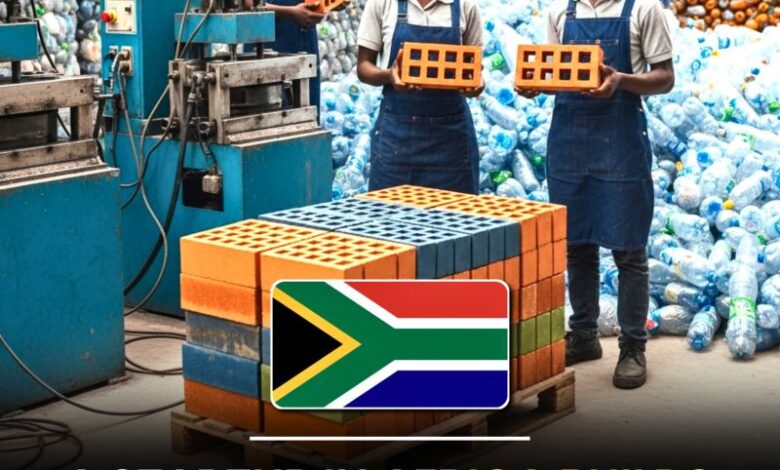
In Kenya, innovative companies such as Gjenge Makers are transforming difficult-to-recycle plastic waste into paving products by combining recovered plastic with sand and forming it under heat and pressure.
The concept is powerful:
♻️ Plastic waste → 🧱 New building material → 🏘️ Useful infrastructure
These recycled plastic products have been used for walkways, homes, schools and commercial spaces, giving discarded materials a longer and more productive life.
Gjenge Makers has reported that some of its paving products can be 5–7 times stronger than conventional concrete pavers and lighter as well—although performance varies by product and application.
And the impact goes beyond materials.
This model can connect waste collection, recycling, manufacturing, employment and affordable construction within one circular system.
The bigger lesson?
Waste isn’t always the end of a material’s journey. It can be the beginning of another one.
When innovation meets local challenges, yesterday’s pollution can become tomorrow’s infrastructure.
That is the promise of the circular economy.


