
Missed COP29’s opening drama? here’s what shaped the first week
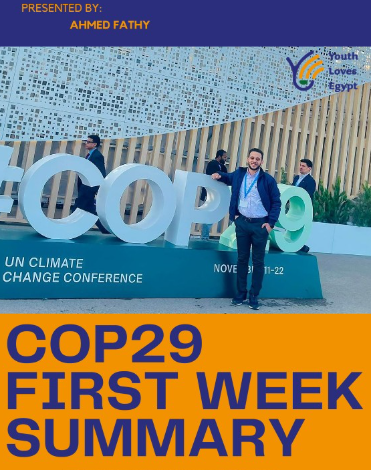
As COP29 kicked off, the world’s eyes turned to the bustling corridors of diplomacy, where nations grappled with humanity’s most pressing challenge: averting climate catastrophe. Yet, the week unfolded more like a storm than a unified march toward progress. The air was charged with breakthroughs, bitter disappointments, and deepening divisions. Was it a step forward for climate action or just another dance around chaos?
Carbon Markets Unlocked: A Ray of Hope or a Mirage?
One of the few bright spots of the week was the long-awaited breakthrough on carbon markets. After years of wrangling, negotiators finally agreed on rules to streamline carbon trading between nations. The aim? To incentivize emissions reductions while directing much-needed funds to developing countries.
But not everyone was cheering. Critics warn that these markets could become a smokescreen for inaction, allowing richer nations and corporations to offset emissions rather than making real cuts. “It’s like bailing water from one side of a sinking ship to the other,” one observer quipped.
Still, the potential for innovative carbon pricing mechanisms could transform how we value emissions. Whether these markets will spur real progress—or deepen inequalities—remains to be seen.
$350 Billion in Levies Proposed: A Bold Gambit
Perhaps the most eye-catching proposal of the week was a global $350 billion annual levy on fossil fuel exports. The funds would aim to bankroll renewable energy projects, climate adaptation, and just transitions in the Global South.
The idea marks a radical departure from traditional funding models. “It’s about holding polluters accountable,” proponents argued, framing the levy as a moral imperative rather than an economic penalty.
But backlash came quickly. Major oil-exporting nations pushed back, warning of economic repercussions and energy insecurity. The debate underscored the widening gulf between nations still reliant on fossil fuels and those urging rapid decarbonization.
Adaptation Funds Collapse: A Broken Promise
Amid the hope of new funding mechanisms, the collapse of adaptation finance talks cast a dark shadow. Developing countries—those most vulnerable to climate impacts—left the table empty-handed, as wealthier nations failed to agree on mechanisms to meet the promised $100 billion annually.
For the island nations facing rising seas and communities enduring record-breaking heatwaves, this wasn’t just a setback—it was a betrayal. “How can you ask us to be resilient when your promises crumble like sand?” a negotiator from the Pacific Islands poignantly asked.
The lack of progress on adaptation finance threatens to erode trust—a cornerstone of any successful global climate deal.
Key Leaders Missing: A Void in Leadership
Adding to the turbulence, notable absences at COP29 raised eyebrows. Leaders from several major emitters were conspicuously missing, citing domestic priorities or political challenges at home. Their absence sent a troubling signal about the urgency—or lack thereof—assigned to global climate diplomacy.
Without these leaders at the table, many wonder: Can COP29 achieve the ambitious breakthroughs needed to limit warming to 1.5°C?
Accusations of Greenwashing Soar
The first week also saw a surge of protests as environmental activists took aim at perceived greenwashing by corporations and governments. Delegates faced tough questions about the integrity of their commitments, with many pledges criticized as hollow or self-serving.
One prominent activist didn’t hold back: “We’re tired of promises wrapped in green ribbons but tied to business-as-usual.”
The accusations highlight a growing tension between rhetoric and reality. For many, the focus is shifting from what’s said at COP to what’s delivered in the months and years afterward.
Climate Action or Chaos?
The first week of COP29 has been nothing short of dramatic. While breakthroughs on carbon markets and ambitious funding proposals offer glimmers of hope, the collapse of adaptation talks and the absence of key leaders signal deep fractures in global climate unity.
As the summit heads into its second week, the stakes couldn’t be higher. Will nations rise above their divisions to deliver meaningful action, or will COP29 go down as another missed opportunity?
The next few days will decide whether the world leaves Dubai with a roadmap for survival—or another pile of broken promises.
source :


